Why Is Lapland So Famous?
A region with more reindeer than people became a household name in Britain. That happened for specific reasons, and one of them was a post office.
 Written with Aino Korhonen, Lapland tour specialist and Arctic experience guide
Short answer
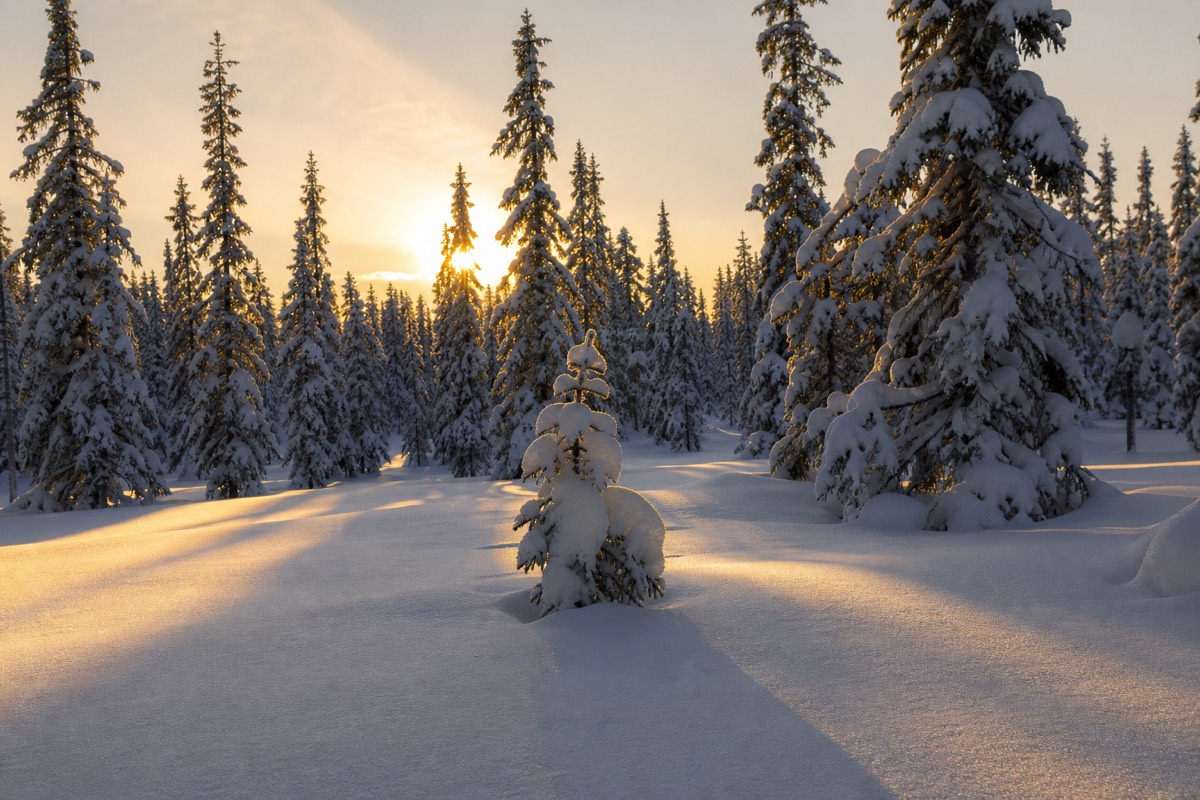
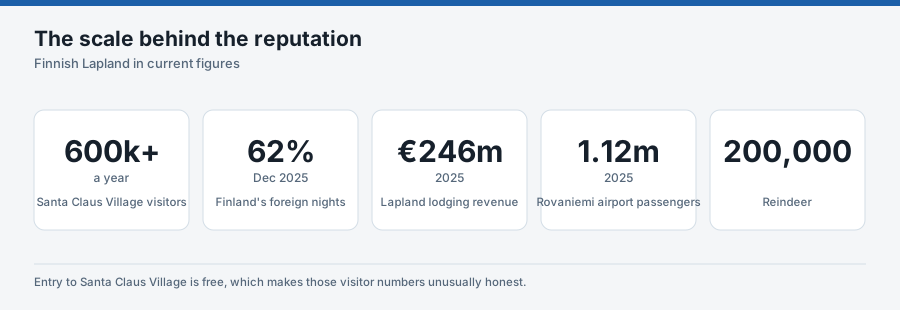
Three things, layered. Santa Claus, whose official village and post office in Rovaniemi now draw over 600,000 visitors a year. The northern lights, visible on roughly half of dark, cloudless nights. And reindeer, which are not a marketing device but a working industry of around 200,000 animals across 36 per cent of Finland. The Arctic Circle running through Rovaniemi ties the three together.
Finnish Lapland has fewer people in it than a mid-sized British city, spread across an area larger than many countries. It should be obscure. Instead it is one of the most recognisable winter destinations in Europe, and the reasons are more specific and more deliberate than "it snows there".
Booking takeaway: Turn the famous images into a specific outing: optional Santa village transport, a reindeer farm visit or a photography hunt. The northern lights themselves cannot be booked. Explore Rovaniemi city and Santa village tour
Why Is Lapland So Famous?
Because it holds the official address of Santa Claus, sits on the Arctic Circle, and gets the northern lights. Rovaniemi turned the first of those into a year-round attraction that now draws more than 600,000 visitors annually, and the other two came along with the latitude.
The Santa connection is the commercial engine. Santa Claus Village sits on the Arctic Circle about 8 km north of Rovaniemi, it is open every day of the year, and, notably, entry is free of charge and so is meeting Santa, per the Santa Claus Village information service.
| The three pillars | What it actually is | How real |
|---|---|---|
| Santa Claus | An official village and post office in Rovaniemi | A built attraction, and openly so |
| The northern lights | Visible on roughly half of dark, cloudless nights | Entirely real, and not guaranteed |
| Reindeer | Around 200,000 animals, 4,400 owners, 54 cooperatives | A working industry, not a display |
| The Arctic Circle | Marked at 66°32′37.11″ N in the village square | Real, and free to cross |
| Huskies | A large sled-dog tourism industry | Real, and built for visitors |
| Snow | Ground covered over half the year | Entirely real |
Is The Santa Thing Genuine Or Invented?
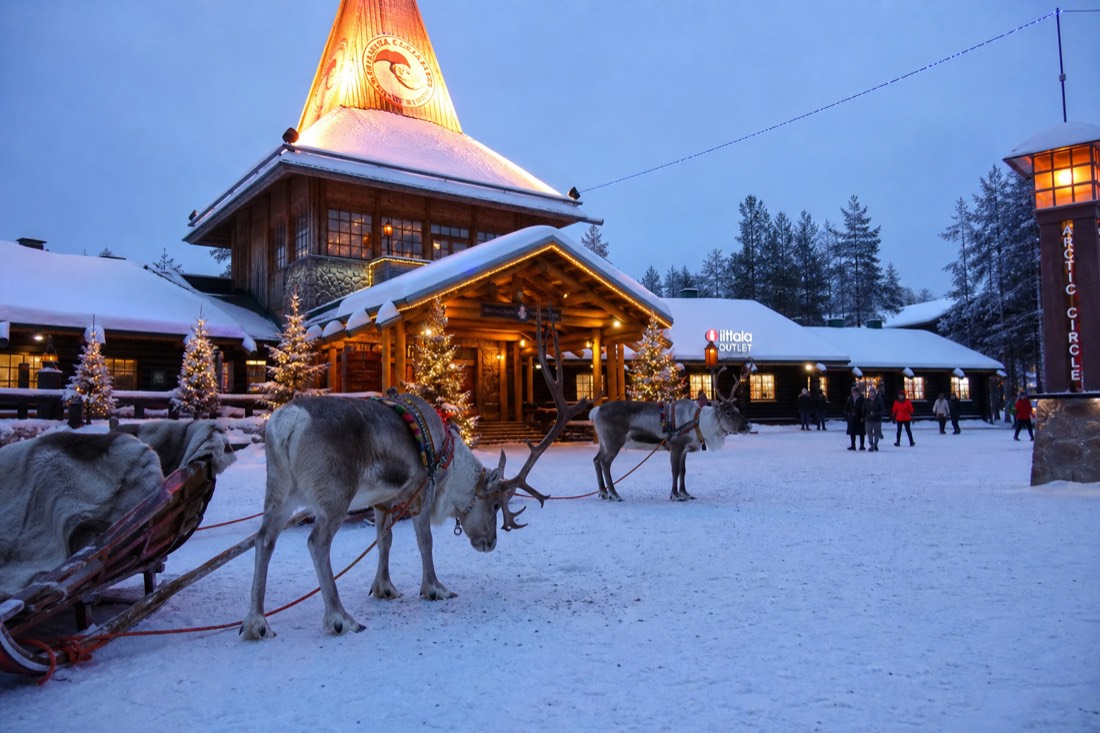
Invented in the sense that somebody decided Rovaniemi would be Santa's official hometown, and genuine in the sense that it has been running for decades, receives real post from around the world, and is free to visit.
There is no pretence about this locally, which is part of why it works. The village is unashamedly built for visitors. What separates it from a theme park is that it does not charge you to come in, and that the Arctic Circle it sits on is a real line of latitude rather than a painted one.
The scale is what makes it famous rather than merely local. Over 600,000 visitors a year, in a region of a few hundred thousand people, is a very large ratio.
Is The Reindeer Part Real?
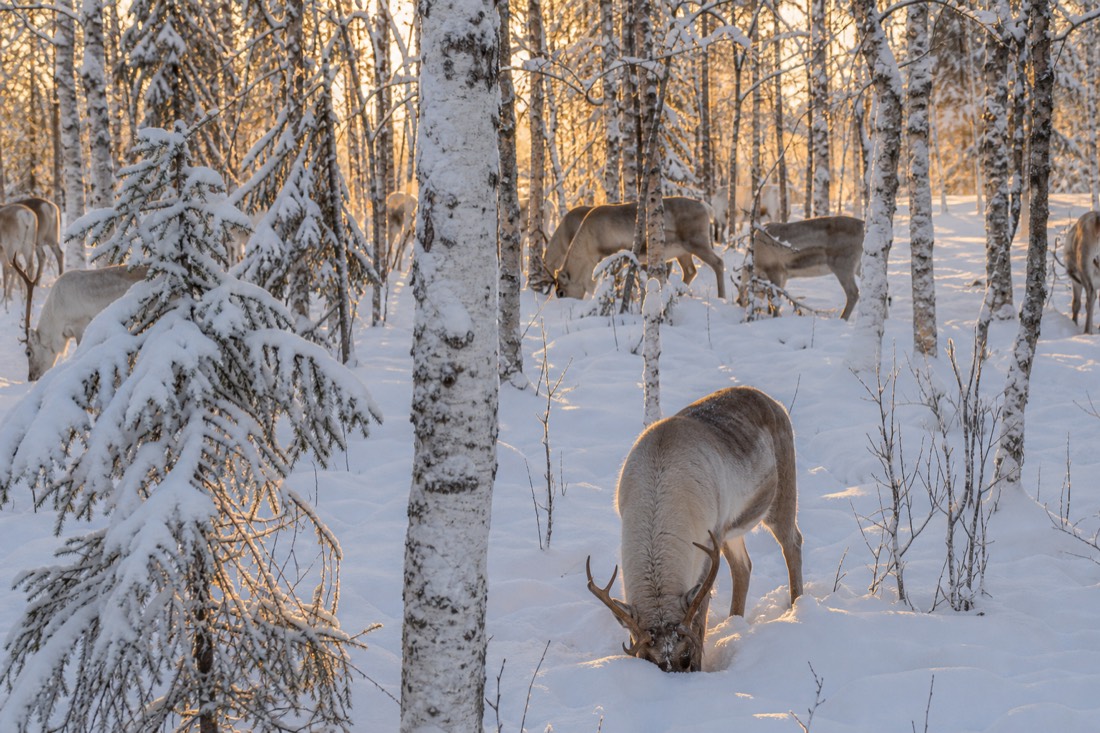
Very. Reindeer herding in Finland covers 122,936 square kilometres, some 36 per cent of the country, with around 200,000 animals and roughly 4,400 owners across 54 herding cooperatives.
Those figures come from the Reindeer Herders' Association. This is a livestock industry rather than an attraction, and the farms that take visitors are working operations that also sell sleigh rides. Around 40 per cent of Finland's reindeer owners are women.
It also connects to the Sámi, the indigenous people of northern Fennoscandia, of whom around 8,000 live in Finland. We are deliberately not summarising Sámi culture here, because we could not verify a summary against an official or academic source and it is a culture that has been flattened by tourist copy often enough. Our reindeer guide says the same thing at more length.
Why Finland And Not Sweden Or Norway?
All three have Arctic regions, aurora and reindeer. Finland got the Santa association and built the infrastructure around it, and the UK charter market followed.
| Finnish Lapland | Swedish Lapland | Northern Norway | |
|---|---|---|---|
| Santa's official village | Yes, Rovaniemi | No | No |
| Marked Arctic Circle visitor site | Yes, free to cross | Less prominent | Less prominent |
| Direct UK winter flights | Four routes in 2026/27 | Fewer | Several |
| Best known for | Santa, huskies, snowmobiles | The original ICEHOTEL | Aurora, fjords |
| UK charter package market | Very large | Small | Moderate |
The flight column is doing quiet work there. Four direct UK routes to Rovaniemi for the 2026/27 winter, and an airport growing at 18.4 per cent a year, is what turns a famous idea into an easy trip. Our airports guide covers the routes in detail.
How Did It Become A British Institution?
Charter flights, mostly. A famous idea only becomes a mass-market holiday when somebody makes it easy to reach, and the UK charter market did exactly that.
| What happened | Effect |
|---|---|
| Rovaniemi designated Santa's official hometown | Gave the region a single, memorable hook |
| Santa Claus Village built on the Arctic Circle | A fixed place to visit, free to enter |
| UK charter operators built dedicated packages | Turned it into a bookable family holiday |
| Scheduled low-cost routes opened | Made independent trips viable and cheaper |
| Rovaniemi Airport grew 18.4 per cent in 2025 | Four UK routes now competing for 2026/27 |
| Lapland took 62 per cent of Finland's foreign nights in Dec 2025 | The concentration that sets December prices |
The last two rows are the recent change. For years the only realistic way to reach Lapland from Britain was a charter package. Now four direct routes serve Rovaniemi in winter, which is why our cost comparison has a genuine argument to make rather than a theoretical one.
Which Part Is Worth Going For?
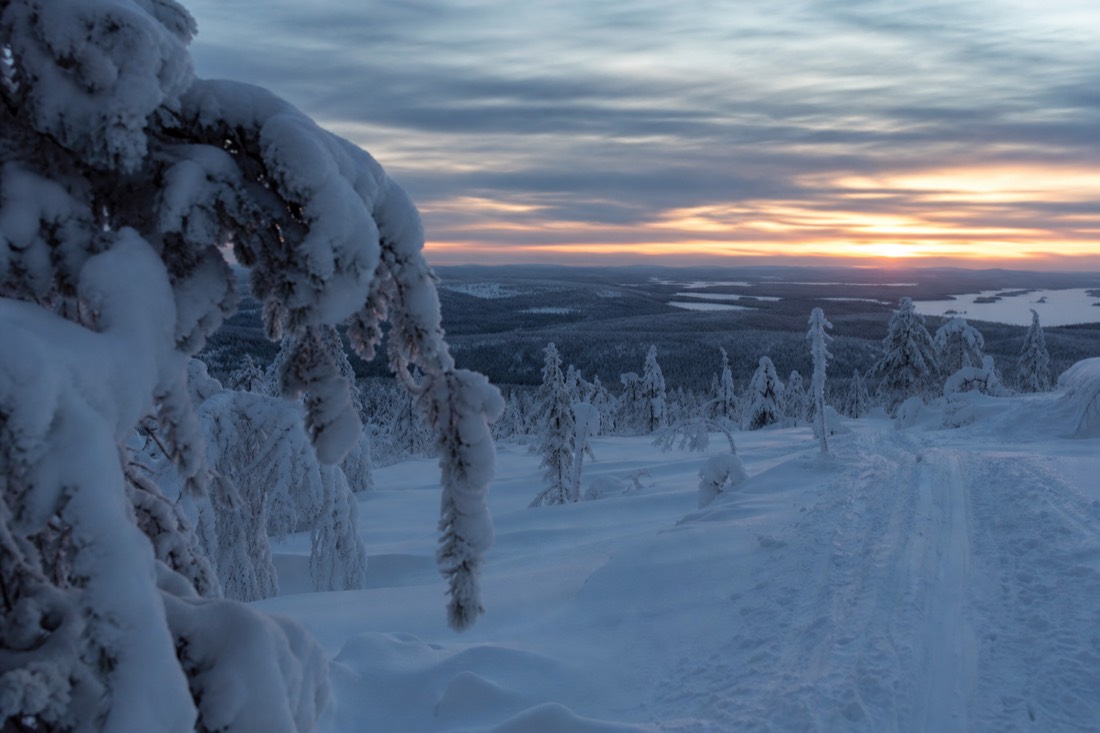
The aurora and the activities, if you are an adult. Santa, if you have young children. The reputation over-promises on exactly one thing, and it is the sky.
The northern lights are the famous element that most often disappoints, not because they are rare but because people expect certainty. The Finnish Meteorological Institute puts them at roughly 50 per cent of dark, cloudless nights, which is a good chance across three nights and a coin flip across one. Our worth-it page covers where the disappointment actually comes from.
What Do The Visitor Numbers Say About How Famous It Has Become?
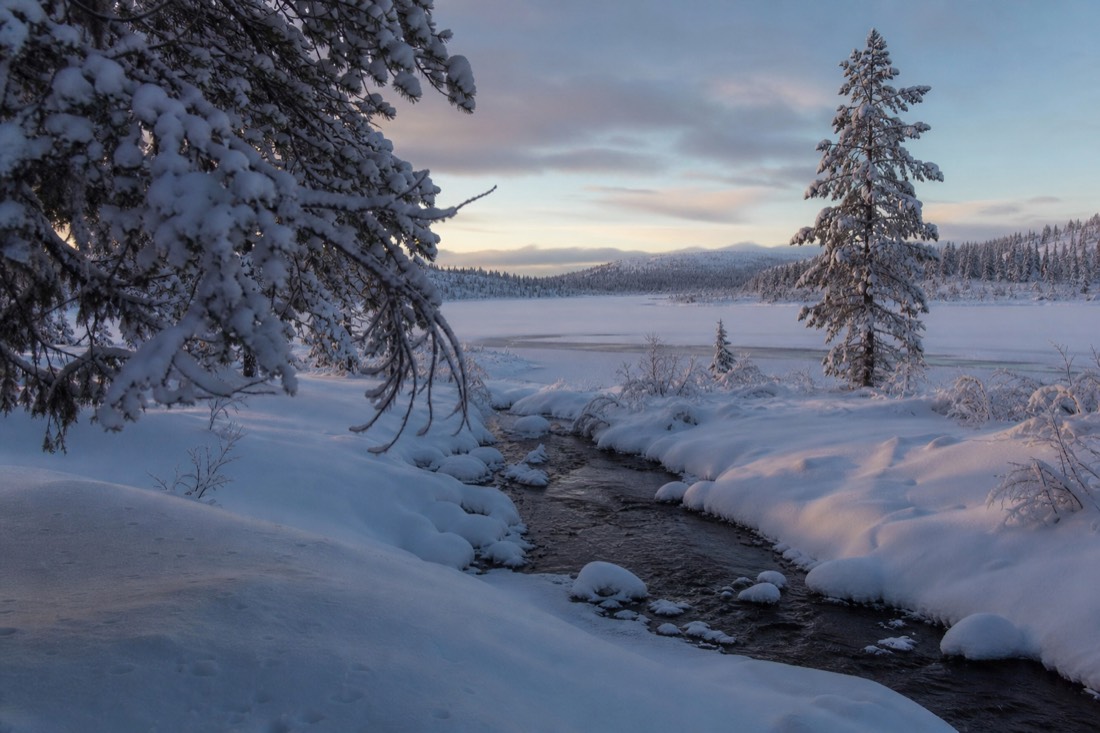
That the fame is recent, measurable and still accelerating. Santa Claus Village receives more than 600,000 visitors a year, and Rovaniemi Airport handled 1,120,022 passengers in 2025, an 18.4 per cent rise in a single year.
Those two figures describe a destination that has changed inside a decade rather than one coasting on an old reputation. The airport growth in particular is what turned Lapland from a charter-only destination into somewhere you can reach on a scheduled ticket.
| Measure | The number | What it tells you |
|---|---|---|
| Santa Claus Village visitors | More than 600,000 a year | Concentrated heavily in the Christmas weeks |
| Rovaniemi Airport passengers, 2025 | 1,120,022 | Up 18.4 per cent on the previous year |
| Direct UK routes this season | Four, to Rovaniemi | Scheduled competition, not just charter |
| Foreign overnight stays, December 2025 | Lapland took 62 per cent of Finland's total | December is the whole industry's pivot |
| Reindeer in Finland | Around 200,000, with roughly 4,400 owners | The herding industry is real, not staged |
The December row is the one that explains the prices. When a single month carries that share of a country's foreign overnight stays, accommodation behaves accordingly, and Rovaniemi hotel rates rise from around €150 a night to roughly €280 in the December to February peak.
The reindeer row matters for a different reason. It is the strongest evidence that the industry underneath the tourism is genuine: 4,400 owners, 40 per cent of them women, across 54 herding cooperatives covering 122,936 square kilometres, about 36 per cent of Finland.
Is The Famous Version The Version Worth Booking?
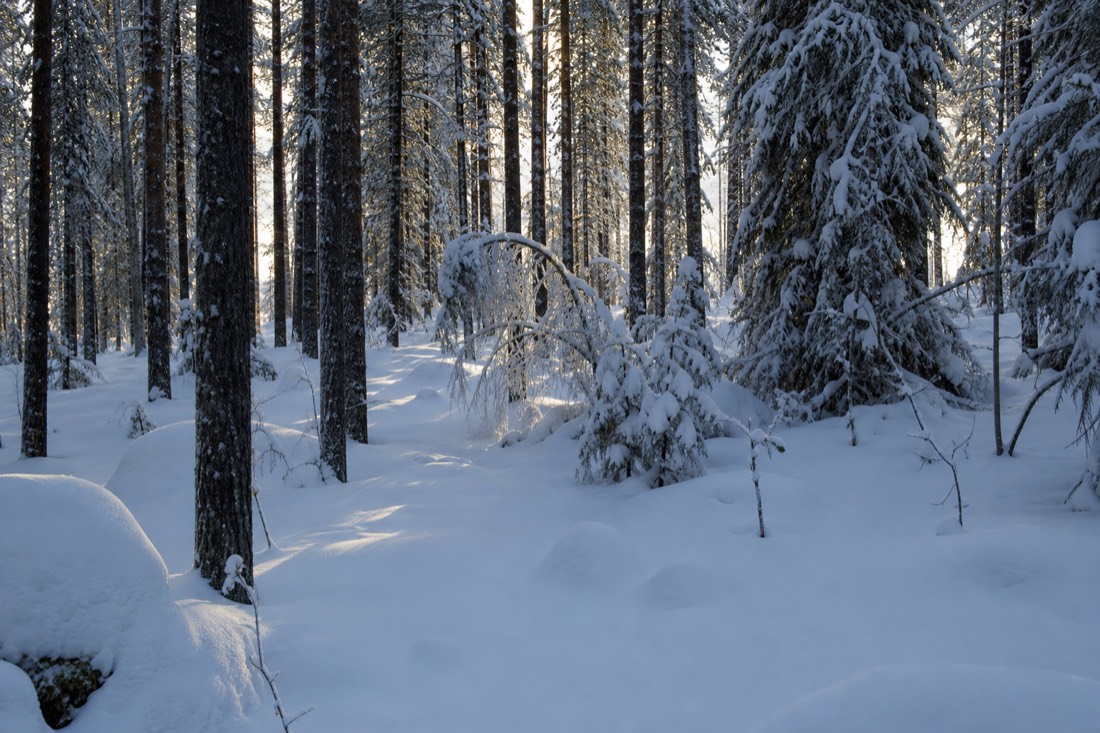
Partly. The thing Lapland is famous for is Santa, and the thing most adults come home talking about is the forest. Those are not the same trip, and the best weeks contain both.
| What Lapland is famous for | What it is actually like | Worth building a trip around |
|---|---|---|
| Santa Claus Village | Genuinely free to enter, busy in December, charming | Yes, with children |
| The northern lights | Roughly half of dark, cloudless nights, never guaranteed | Yes, across several nights |
| Husky sledding | Self-drive, shorter than expected, superb | Yes |
| Reindeer sleighs | Slow, brief, calm | As part of a day, not the whole trip |
| Glass igloos | Beautiful, expensive, a fixed bet on one patch of sky | One night, not a week |
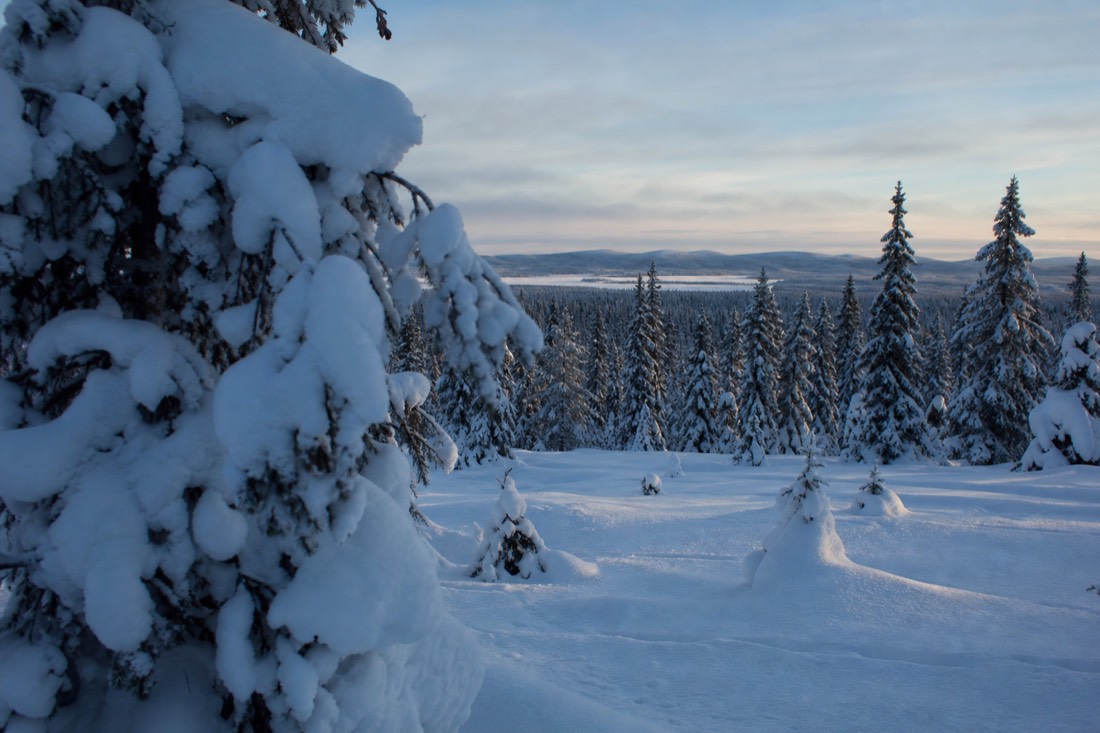
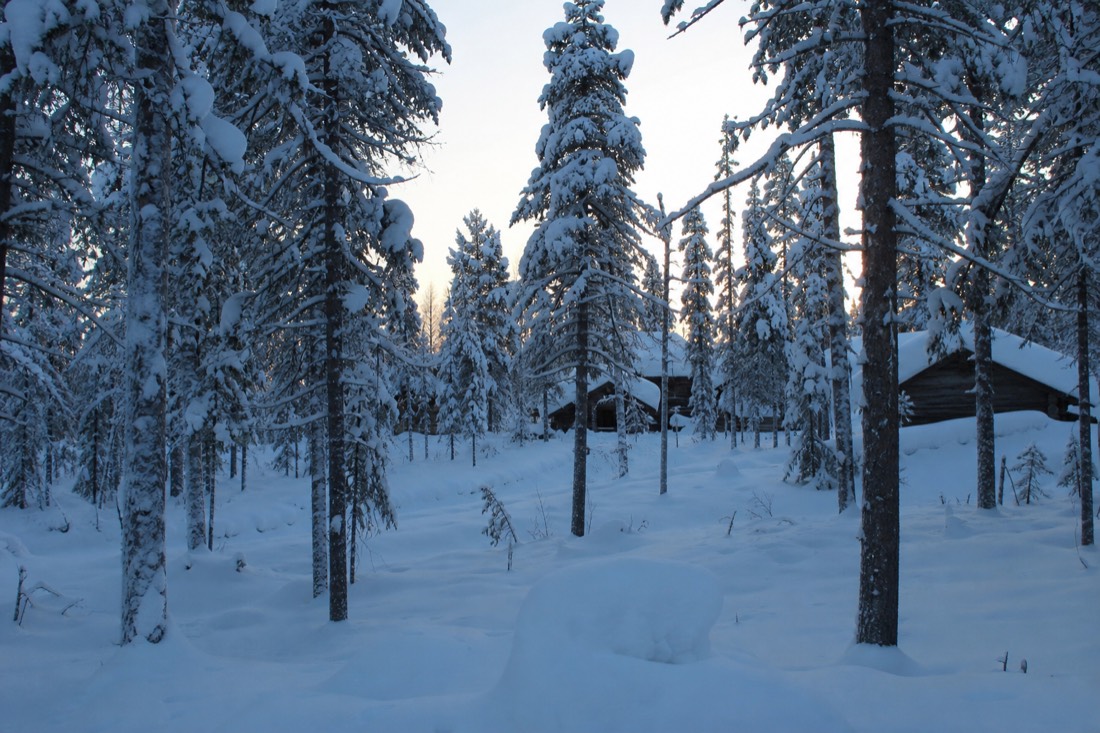
| Snow and forest | The part nobody photographs and everybody remembers | This is the actual product |
The last row is the one worth taking seriously. The most consistent thing in the reviews across every category on this site is not the headline activity, it is the conditions around it, and that is the part no marketing sells because it cannot be booked.
The glass igloo row is the sharpest correction. It is the image that sells Lapland online and it is a fixed point under one patch of sky, where a guided aurora tour can drive to find a gap in the cloud. Our igloo guide covers what it does and does not buy you.
What Aino Tells People Who Booked Because Of The Photographs
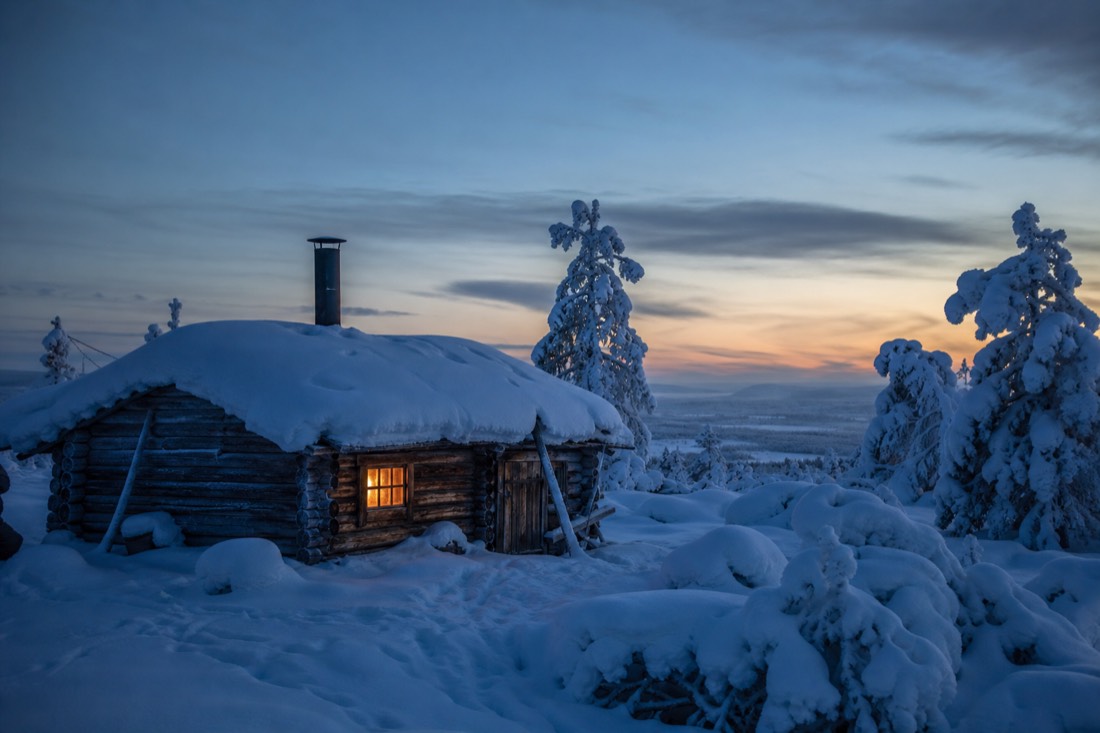
Aino Korhonen has planned Lapland trips since 2023 and by her own count has worked with more than 250 international travellers. Most arrive with an image in their head, and her job is usually to keep the image while fixing the plan around it.
The image is nearly always the same: a glass roof, a green sky, and nobody else around. Two of those three are bookable. The green sky is not, and building a trip on it is how people end up disappointed by a destination that did nothing wrong.
Her practical translation of that image is to book the daytime activities properly, give the aurora several separate attempts, and keep the igloo to a single night in the middle of the trip.
She also points out what the photographs never show, which is December's crowd. The village takes more than 600,000 visitors a year and they do not arrive evenly, so the empty snowscape in the picture was taken in March or at nine in the morning.
| The photograph | What it takes to get near it | The honest version |
|---|---|---|
| Aurora over a glass roof | Several nights and luck | Book tours as well, they can move |
| Empty snowy village street | Early morning, or a month that is not December | Go at opening, or go in March |
| A long husky run through forest | Book on distance, 7 km is the longest here | Shorter than it looks, still excellent |
| Deep untouched snow | March, when depth peaks at 60 to 90 cm | December is still building its snowpack |
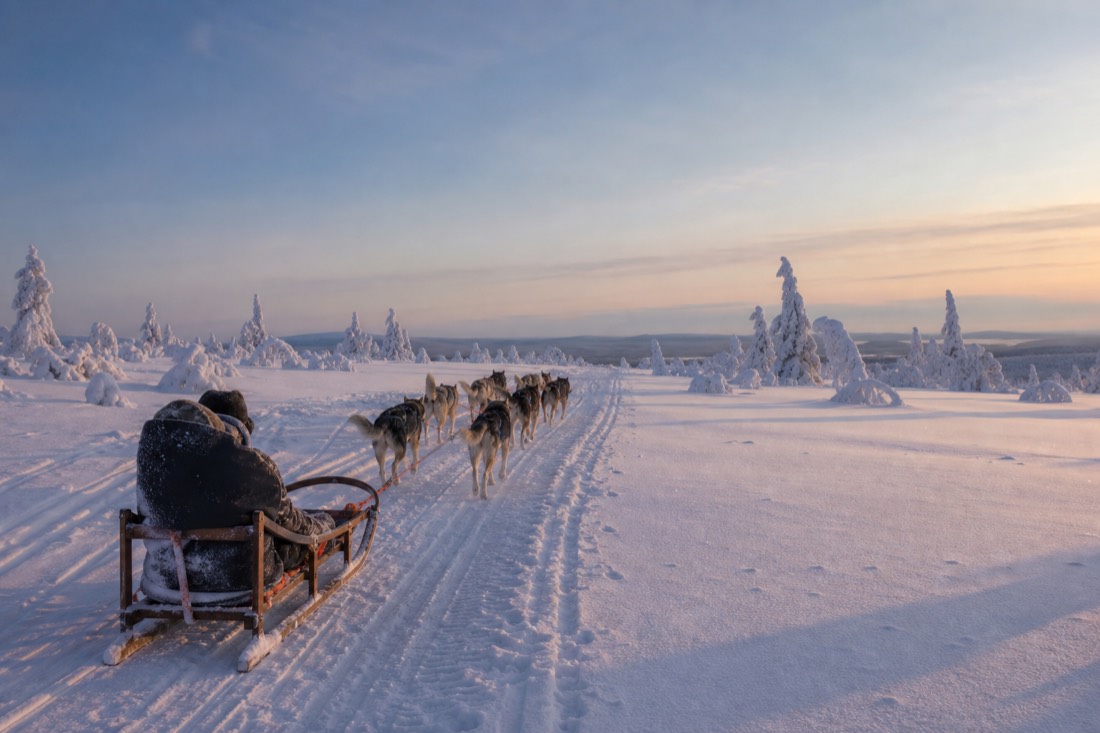
| Reindeer in falling snow | Any farm visit, this one is easy | The most photographable activity here |
If March is news to you, our case for March over December sets out why the month everybody books is not the month that delivers the pictures.
Common Questions
Is Santa Claus really from Lapland?
Rovaniemi holds the official hometown designation, with a village and post office that receive real mail from around the world. It is a designation rather than a historical claim, and it has been running long enough to be an institution in its own right.
Do you have to pay to see Santa?
No. Entry to Santa Claus Village is free and meeting Santa in his office is free too, every day of the year. The official photo and video package costs from €55 for up to five people, and buying it is optional.
Is Lapland just for Christmas?
No, and the season is far longer than the marketing implies. Lapland's winter runs about 200 days from mid-October, the aurora season runs late August to early April, and snow is deepest around mid-March. Our month-by-month guide covers what each month gives you.
Are the huskies traditional?
Sled dogs have a long working history in the Arctic, though the scale of husky tourism in Lapland today is built for visitors. Reindeer herding is the genuinely traditional livelihood, and it remains a working industry rather than a display.
Why do British people go to Lapland specifically?
The Santa association, the short flight, and a very developed UK charter market. Lapland took 62 per cent of Finland's foreign overnight stays in December 2025, and the UK is among Finland's top five source markets.
Your next booking step
Editorial starting point · confirm your party’s requirements below
Rovaniemi City And Santa Village Tour
Have your travel dates in mind? Combine a guided look around Rovaniemi with Santa Claus Village and an Arctic Circle certificate. Check the outing before arranging the rest of your day.
About 3 hours with hotel pickup. English guiding. Village entry and meeting Santa are free independently; the paid value is transport and guiding. Photos, food and drinks cost extra. Listing marks wheelchair access; confirm your vehicle and personal requirements before booking.
Compare options and tailor this choice
Choose only the details you know. These filters help compare outings; the operator confirms suitability and dates.
Party ages and access requirements
Combine a guided look around Rovaniemi with Santa Claus Village and an Arctic Circle certificate.
About 3 hours with hotel pickup. English guiding. Village entry and meeting Santa are free independently; the paid value is transport and guiding. Photos, food and drinks cost extra. Listing marks wheelchair access; confirm your vehicle and personal requirements before booking.
Enjoy a gentle forest sleigh ride and hear about life on a reindeer farm.
About 2 hours, hotel pickup and hot drink included. The inclusion lists 1.5 km; weather can shorten the route. Bring warm clothing. Children need an adult; infants sit on a lap. Not recommended during pregnancy. Confirm the route offered for your date.
Go looking for clear skies with a professional photographer; tripods and edited photographs are included.
Allow 5–7 hours. English guide, maximum 8 guests, minimum age 8 and minimum 2 per booking. Warm clothing, boots, drinks and snacks included; pickup within 10 km of Rovaniemi (city-centre guests meet at the office). No sighting guarantee.
None of these outings fits those choices. Adjust a filter or reset to compare the original options.
Published departure schedule loading. Availability and final price are confirmed on Viator.
Affiliate links: we may earn a commission if you book, at no extra cost to you. Dates, options and the final price are confirmed by the provider.