Why March Quietly Beats December In Lapland
March has the deepest snow of the Lapland year, a running aurora season, usable daylight and prices well off the December peak. The case for the month nobody books.
 By Aino Korhonen, Lapland tour specialist and Arctic experience guide
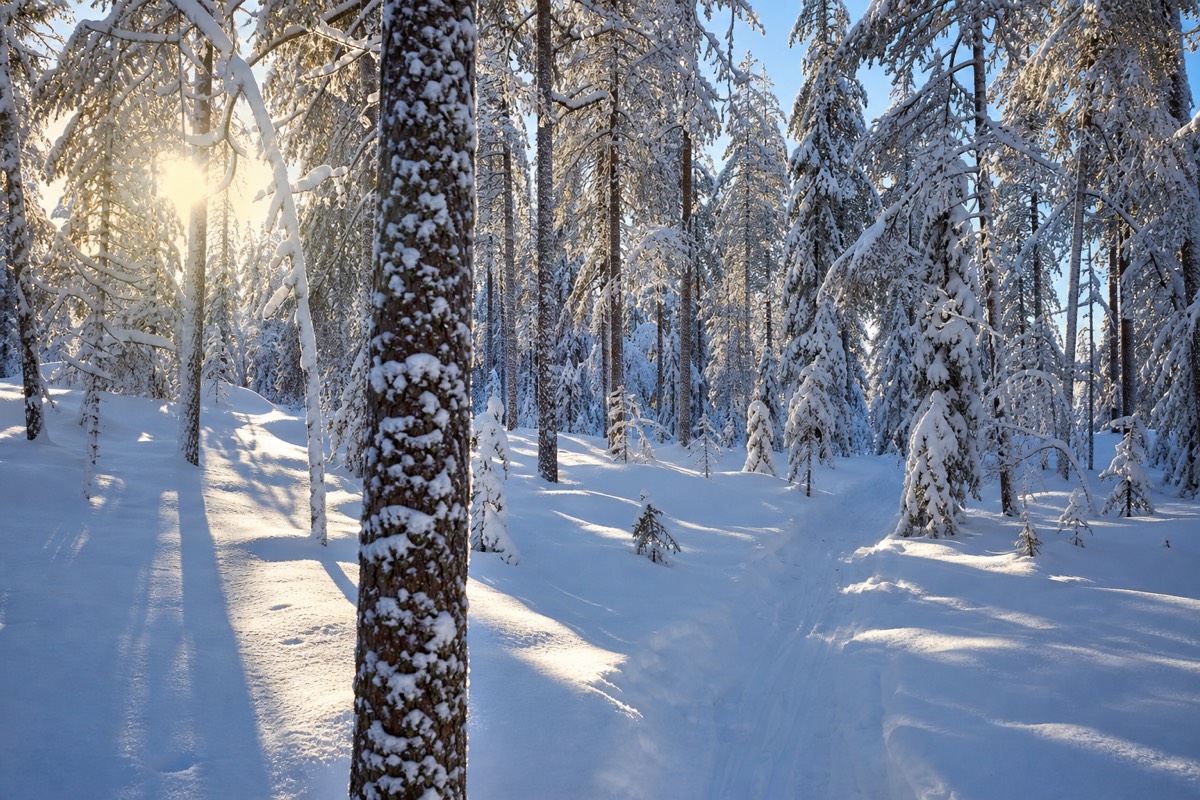
Everybody books December. The snow is deepest in March. Those two sentences do not sit together comfortably, and once you notice the gap between them, a lot of Lapland pricing starts to look like an arbitrage opportunity.
Booking takeaway: March lends itself to a forest activity by day and an aurora attempt at night. Compare the actual outing lengths before putting both on the same date. Explore Apukka 6 km husky safari
The Snow Argument
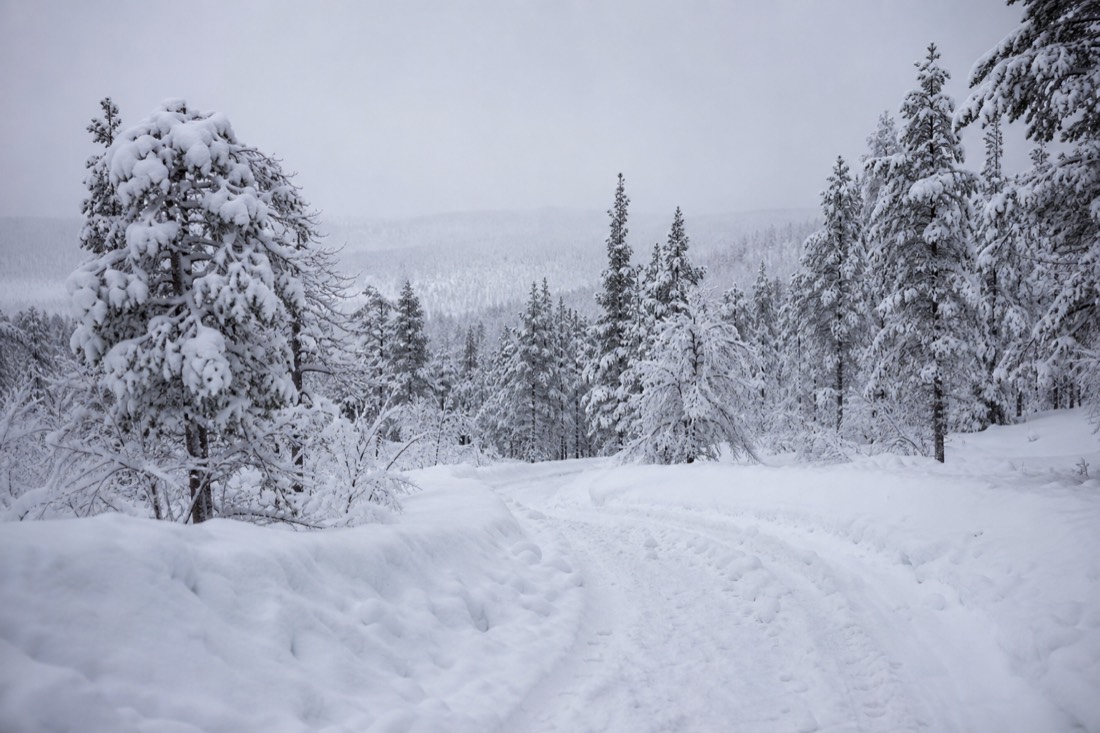
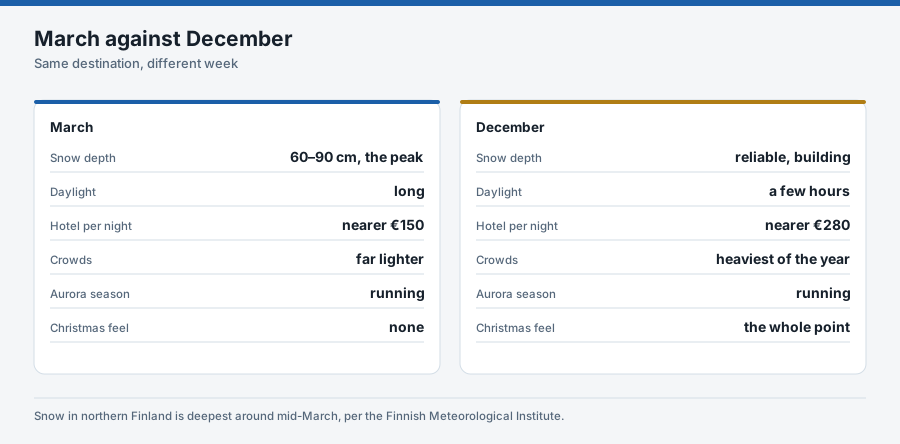
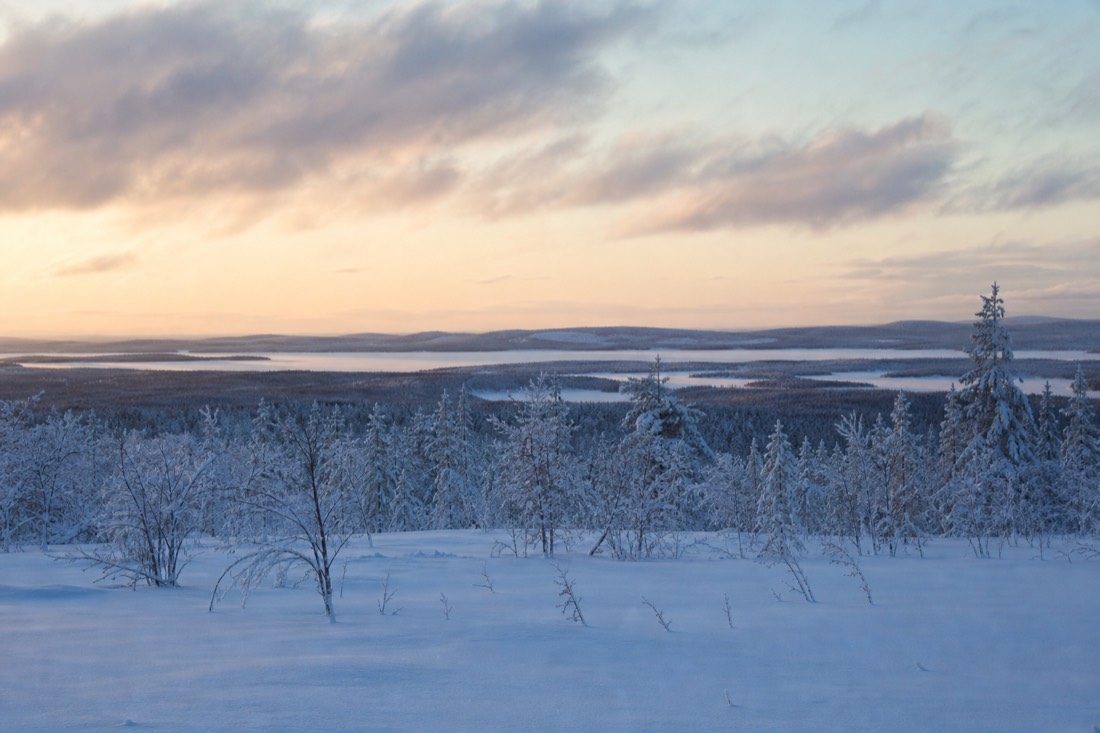
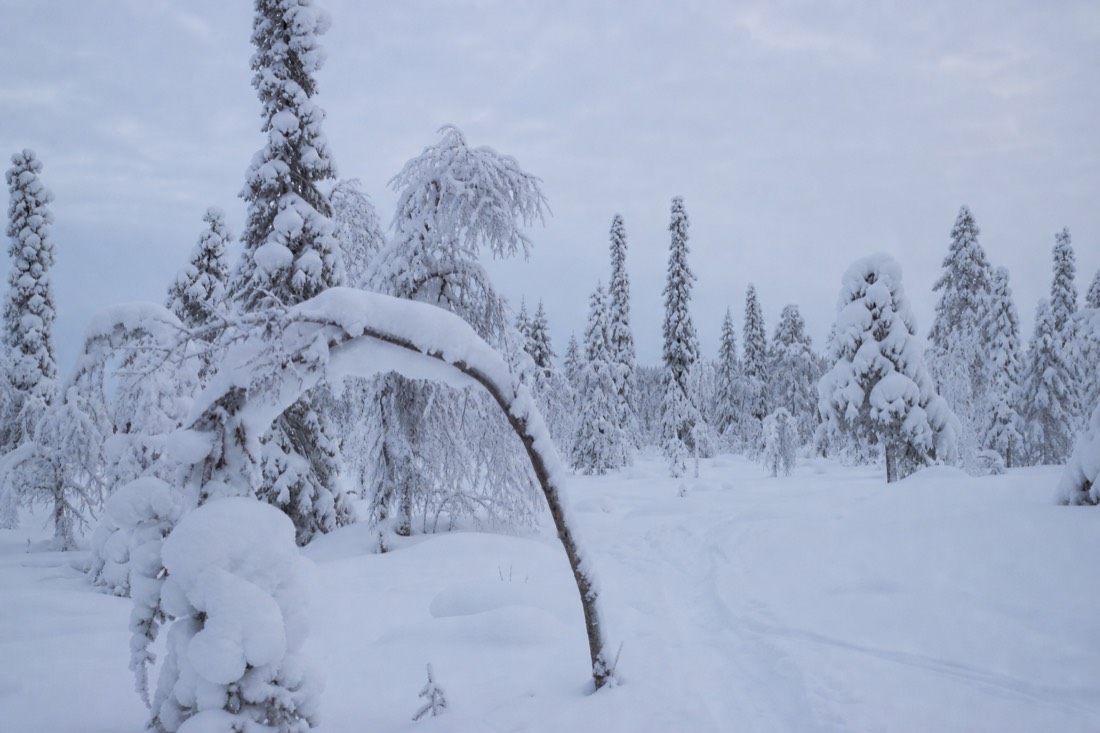
Snow depth in northern Finland peaks around mid-March at 60 to 90 cm, and Lapland's own maximum often falls in early April. December has reliable snow, but it is still building.
Snow accumulates across the season, so the deepest cover arrives at the end of winter rather than in the middle of it. The Finnish Meteorological Institute records Lapland's winter as roughly 200 days from mid-October, with the ground under snow for more than half the year.
| December | March | |
|---|---|---|
| Snow depth | Reliable, still building | Deepest of the year, 60 to 90 cm |
| Daylight in Rovaniemi | A few usable hours | Long, and bright on snow |
| Aurora season | Running | Running, to early April |
| Prices | Peak of the year | Well off the peak |
| Crowds | Heaviest of the year | Far lighter |
| Christmas atmosphere | The whole point | Gone |
| Activity availability | Full, and selling out | Full, and available |
The Daylight Argument
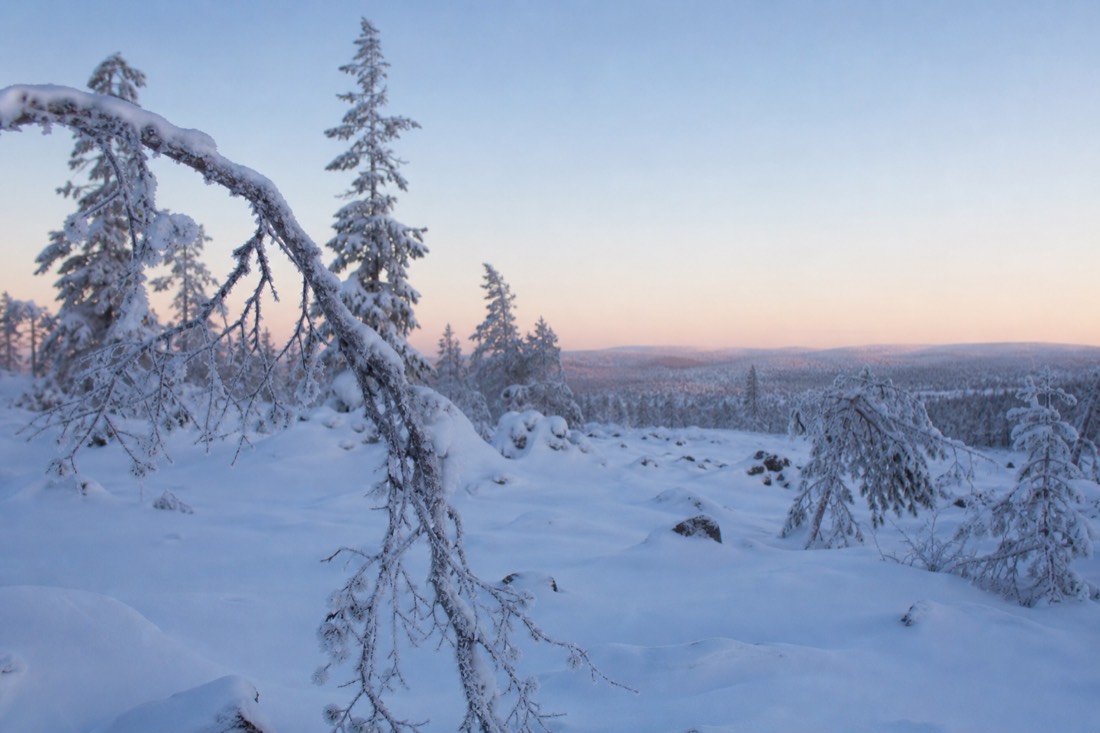
December in Rovaniemi gives you a few usable hours of low blue light. March gives you a full day, and it is dazzling on deep snow.
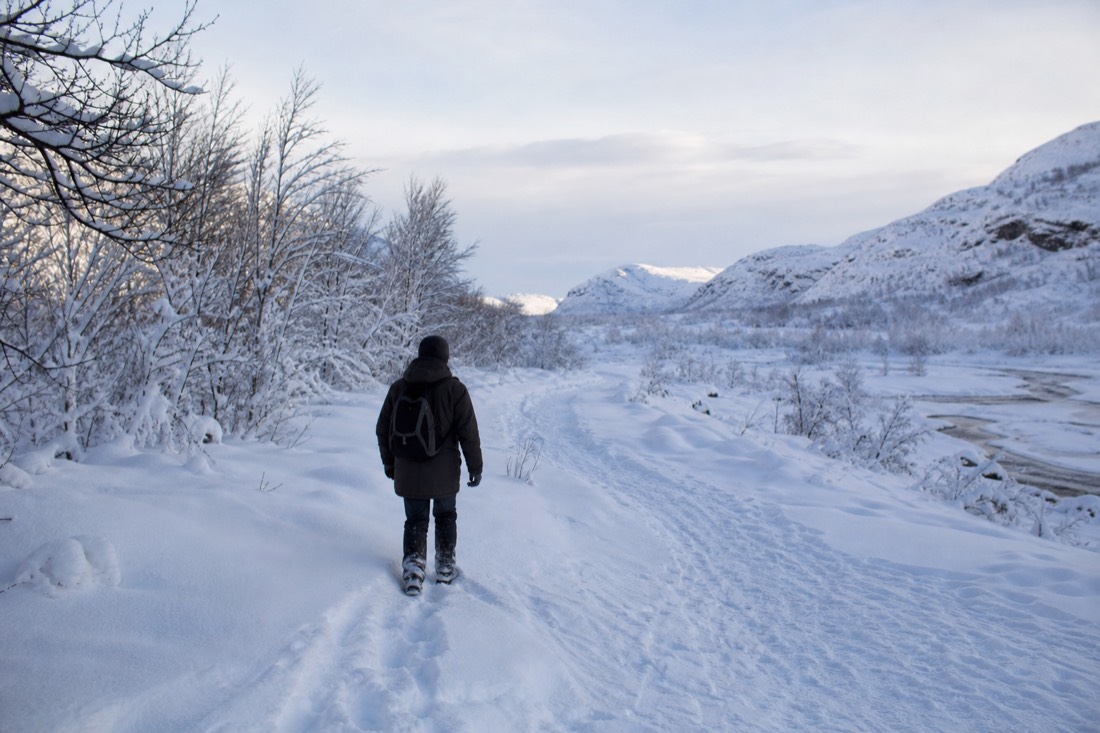
This changes what you can physically fit into a trip. Two daytime activities do not work in December because there is not enough light; in March they do, though you probably still should not. It also changes the photographs entirely: a husky safari in March is bright and blue and white, and in December it happens largely in twilight.
Neither is better in the abstract. Twilight is atmospheric and a lot of people specifically want it. But if you are choosing a month to get the most activity per day, March wins clearly. Our trip-length guide covers how that affects how many nights you need.
The Price Argument
Lapland took 62 per cent of all foreign overnight stays in Finland during December 2025, some 609,200 nights in a single month. That concentration is the entire reason December costs what it does.
| Line | December | March |
|---|---|---|
| Rovaniemi hotel, per night | Near the €280 peak | Nearer the €150 average |
| Flights from the UK | Peak fares, book very early | Off-peak, easier to book late |
| Glass igloo, per night | €400 to €990, up to about €1,500 at Christmas | €250 to €450 |
| Activity availability | Sell-out warnings from autumn | Generally available |
| Direct UK routes running | All four | Two, both ending in the third week |
That bottom row is the one caveat and it matters. Two of the four direct routes stop in the third week of March, so a late-March trip needs the flight confirmed before the hotel. Our airports guide lists the exact dates.
What March Genuinely Loses
Christmas. That is the whole list, and for a large share of Lapland travellers it is decisive.
If you are taking children to meet Santa in the run-up to Christmas, none of the above applies to you. The atmosphere in Rovaniemi in early December is the product, and a March trip does not substitute for it however much snow is on the ground.
Worth noting though: Santa Claus Village is open every day of the year, and entry and meeting Santa are both free. So a March trip still includes Santa; what it does not include is the December feeling around him. Our village guide covers what runs when.
Who Should Switch To March
Couples, photographers, anyone chasing the aurora, and anyone whose budget is the binding constraint. Not families whose children have been promised Christmas.
The aurora case is the strongest and the least obvious. March sits well inside the season, gives you long enough nights, and lets you afford more of them. Since the aurora appears on roughly half of dark, cloudless nights, being able to book three nights instead of one is worth more than any other decision you make. Our aurora guide runs that arithmetic.
What Each Traveller Should Do
| You are going for | Best month | Why |
|---|---|---|
| Santa, with young children | Early December | The atmosphere is the product |
| The northern lights | March | More affordable nights, still in season |
| Deep snow and photographs | March | Snowpack at its annual maximum |
| The lowest possible cost | Late October or March | Either side of the peak |
| Long days plus winter activities | March | Daylight lets you fit more in |
| The full Arctic darkness experience | December, further north | Rovaniemi's polar night is very short |
Only the first and last rows point away from March, and both are about a specific atmosphere rather than about conditions.
The Two Months, Line By Line
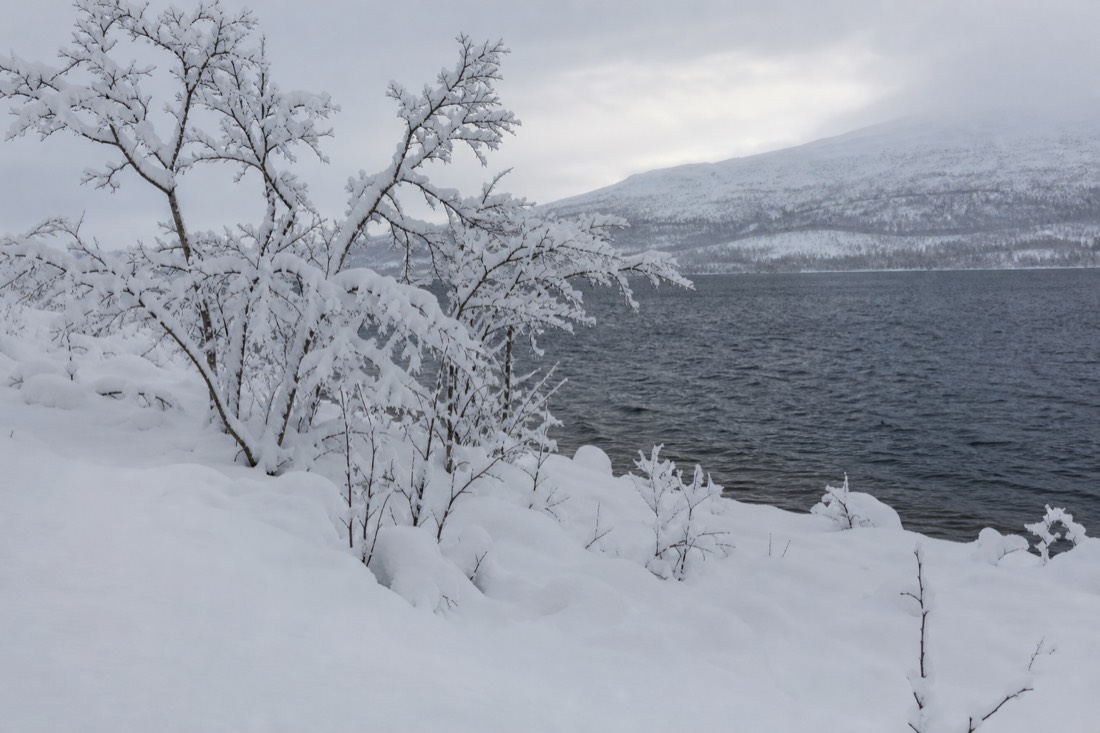
Same activities, same aurora season, different snow, different daylight and a materially different bill. Set them side by side and the only column December wins is the one it is famous for.
| December | March | |
|---|---|---|
| Snow depth | Reliable, still building | Deepest of the year, 60 to 90 cm in northern Finland |
| Daylight | Shortest of the year, a few hours of blue light | Long, and dazzling on snow |
| Aurora season | Running | Running, to early April |
| Accommodation | Near the roughly €280 peak | Coming off peak toward the €150 average |
| Activity availability | Tightest of the year, sells out first | Good |
| Christmas atmosphere | The entire point | Gone |
| Direct UK flights | All four routes running | Two of the four end in late March |
The bottom row is the only practical catch, and it is worth planning around rather than ignoring. British Airways runs 4 December 2026 to 4 January 2027 and easyJet Gatwick ends on 24 March 2027, while Ryanair's daily Stansted service runs to 27 March 2027. Late March has the best conditions of the year and the thinnest capacity to reach them.
Everything else on that table points the same way. March gives you more snow, more light, the same aurora odds and a smaller bill, and it takes away a specific thing that some travellers are quite reasonably unwilling to give up.
Who Should Ignore This Entirely
Anyone whose trip is about Christmas. That is not a consolation prize, it is a legitimate reason to pay the December premium, and the case for March does not apply to them at all.
| If this is you | March or December | Why |
|---|---|---|
| Young children, Santa is the point | December | The atmosphere is what you are buying |
| Fixed school holidays in December | December | The dates decide it, not the argument |
| Flexible dates, aurora focused | March | More light, deeper snow, lower rates |
| Photographers | March | Long light on the deepest snow of the year |
| Budget is the binding constraint | March, or November | The hotel line is where the money moves |
| Skiing as well as sightseeing | March, in Levi | Better conditions and a running ski season |
| Teenagers who resent crowds | March | December's crowd is the concentrated one |
The first two rows cover a large share of UK visitors, which is why December remains the busiest month and why that is not irrational. What is irrational is booking December by default, without knowing that the same trip in March costs less and comes with more snow.
If you land in the March column, our month-by-month guide covers what else changes, and the flight dates above are the one thing to check first.
The Uncomfortable Conclusion
The most expensive fortnight of the Lapland year offers a thinner snowpack, less daylight and more crowds than a month that costs a fraction of it. That is not a scandal, it is Christmas, and Christmas is worth paying for if it is what you came for.
What is worth avoiding is paying December prices for reasons that are not Christmas. If you are going for the snow, the aurora or the activities, and you have any flexibility at all, March is the better trip on every measure except the one on the calendar. Our budget guide builds a lean itinerary around exactly that.
Your next booking step
Editorial starting point · confirm your party’s requirements below
Apukka 6 Km Husky Safari
Have your travel dates in mind? Drive a husky team through the forest, then meet the dogs over a hot drink. Check the outing before arranging the rest of your day.
About 2 hours at Apukka; allow roughly 3.5 hours with transfers. Thermal overall, boots, socks and mittens included. Transfers from Rovaniemi centre or Santa Claus Village. Listed ages 2–75; children ride with an adult; adults must be able to control the sled. Guides do not drive it for you. Not suitable for pregnancy or mobility limitations.
Compare options and tailor this choice
Choose only the details you know. These filters help compare outings; the operator confirms suitability and dates.
Party ages and access requirements
Drive a husky team through the forest, then meet the dogs over a hot drink.
About 2 hours at Apukka; allow roughly 3.5 hours with transfers. Thermal overall, boots, socks and mittens included. Transfers from Rovaniemi centre or Santa Claus Village. Listed ages 2–75; children ride with an adult; adults must be able to control the sled. Guides do not drive it for you. Not suitable for pregnancy or mobility limitations.
Go looking for clear skies with a professional photographer; tripods and edited photographs are included.
Allow 5–7 hours. English guide, maximum 8 guests, minimum age 8 and minimum 2 per booking. Warm clothing, boots, drinks and snacks included; pickup within 10 km of Rovaniemi (city-centre guests meet at the office). No sighting guarantee.
Combine a guided look around Rovaniemi with Santa Claus Village and an Arctic Circle certificate.
About 3 hours with hotel pickup. English guiding. Village entry and meeting Santa are free independently; the paid value is transport and guiding. Photos, food and drinks cost extra. Listing marks wheelchair access; confirm your vehicle and personal requirements before booking.
Compare your actual quotes
Enter total quotes for the same people and inclusions, in one currency. Add transport, gear and supplements before comparing.
None of these outings fits those choices. Adjust a filter or reset to compare the original options.
Published departure schedule loading. Availability and final price are confirmed on Viator.
Affiliate links: we may earn a commission if you book, at no extra cost to you. Dates, options and the final price are confirmed by the provider.