Norway Or Finland For The Northern Lights?
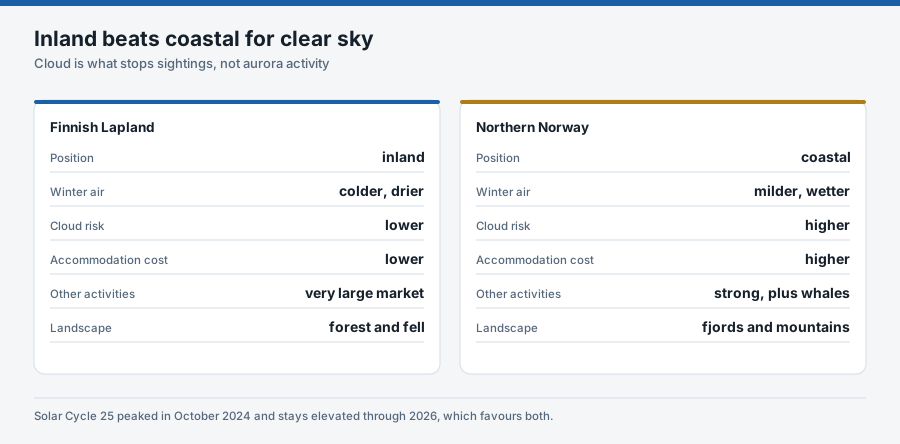
The two are genuinely different propositions, and the deciding factor is not latitude. It is cloud, and the coast has more of it.
 Written with Aino Korhonen, Lapland tour specialist and Arctic experience guide
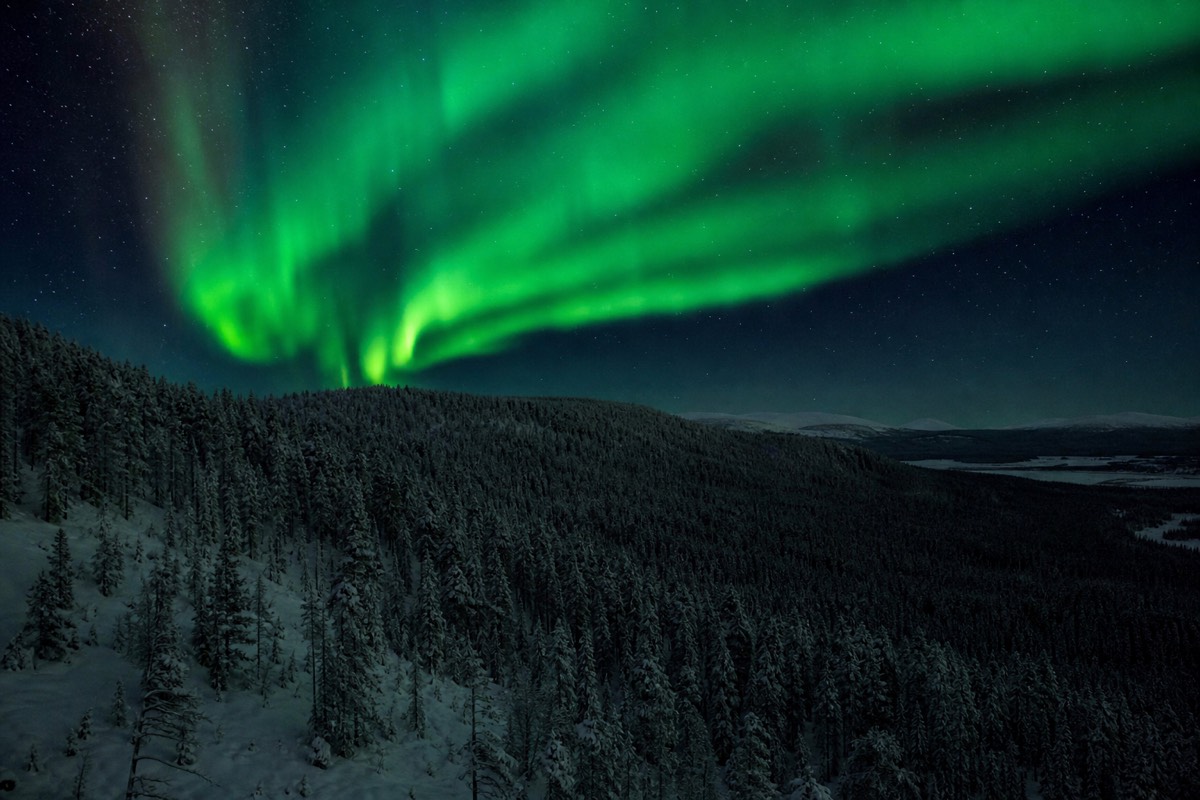
Short answer
Finland for clearer skies and a cheaper trip, Norway for dramatic scenery. Northern Norway's coastal position brings more cloud, which is the main thing that stops you seeing the aurora. Finnish Lapland sits inland with drier, more stable winter air, cheaper accommodation and four direct UK routes to Rovaniemi this winter. Norway wins on landscape: fjords and mountains under the aurora beat forest for photographs.
Both sit under the auroral oval, both have operators who know what they are doing, and both will sell you a minibus and a thermos. The difference that actually decides your odds is not how far north you get. It is how often the sky above you is clear, and that is a geography question rather than a latitude one.
Booking takeaway: If you choose Finland, compare a Rovaniemi hunt by its actual service and duration. These recommendations operate in Finnish Lapland and do not book a Norwegian trip. Explore Rovaniemi aurora photography hunt
Norway Or Finland For The Northern Lights?
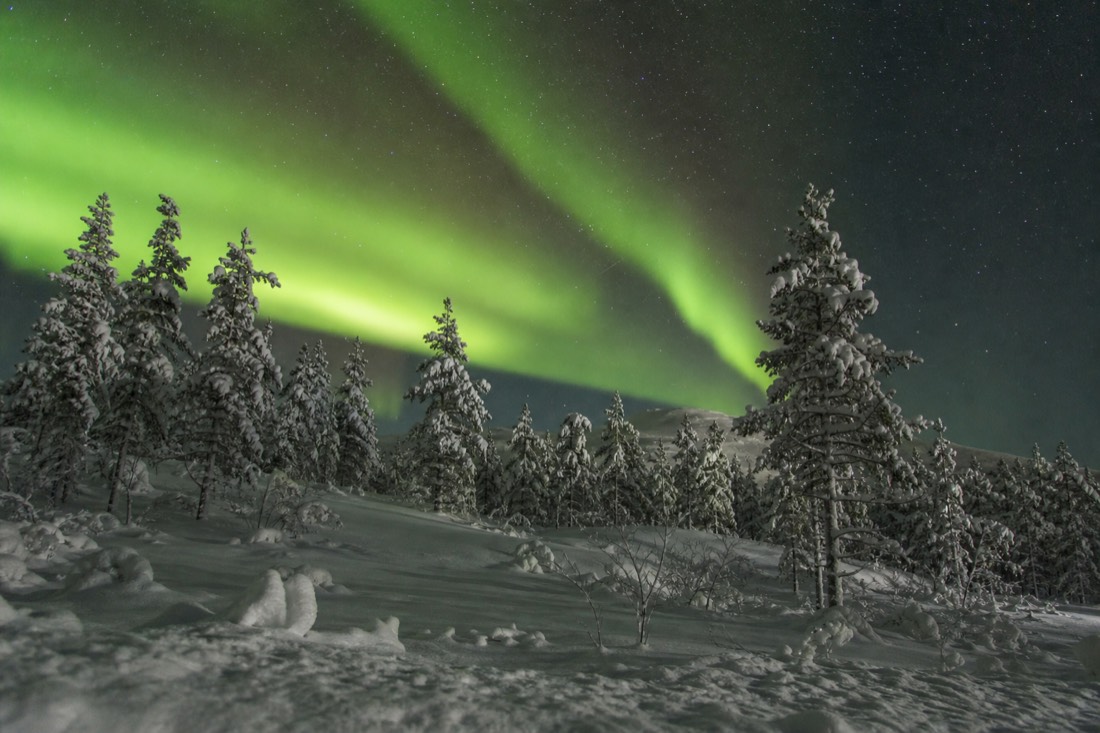
Finland has the better odds on clear sky and the cheaper trip. Norway has better scenery. Since cloud is what usually stops you seeing anything, the inland position of Finnish Lapland is a real advantage.
Northern Norway is coastal, warmed by the Atlantic, and gets the weather that comes with that: more cloud, more changeable conditions. Finnish Lapland sits inland with colder, drier, more settled winter air. Neither is a guarantee, and both have plenty of cloudy nights, but the base rate differs.
| Finnish Lapland | Northern Norway | |
|---|---|---|
| Position | Inland, forest and fell | Coastal, fjords and mountain |
| Winter air | Colder, drier, more settled | Milder, wetter, more changeable |
| Main cloud risk | Real, but lower | Higher, Atlantic systems |
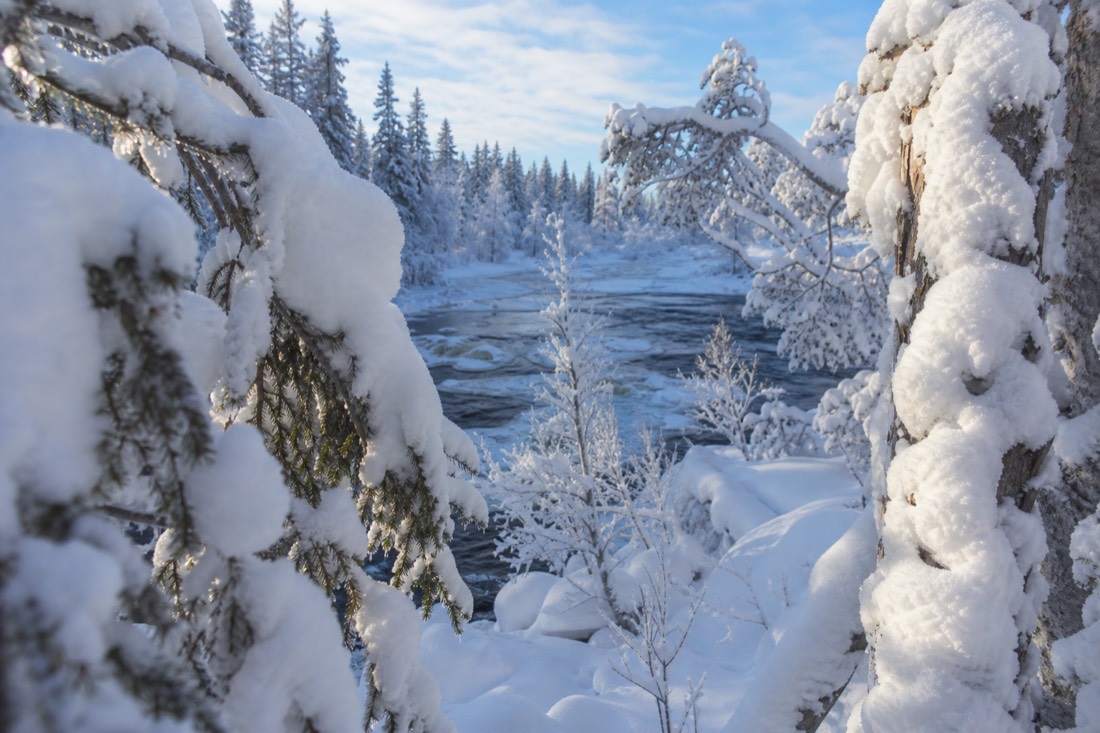
| Landscape under the aurora | Forest, frozen lakes, fells | Fjords and steep mountains |
| Main gateway | Rovaniemi | Tromsø |
| Direct UK winter flights | Four routes to Rovaniemi in 2026/27 | Several |
| Accommodation cost | Lower | Higher |
| Other activities | Very large market: huskies, snowmobiles, reindeer, Santa | Strong, plus whale watching |
| Best for | Odds, cost, family activities | Photographs, scenery, coastal trips |
What Are The Actual Odds In Finland?
The Finnish Meteorological Institute puts the aurora at roughly 50 per cent of dark, cloudless nights at Lapland ski resorts such as Ylläs, Levi and Saariselkä. That is the number to plan around, and it is about the sky rather than the sun.
Read the phrasing carefully, because it is doing a lot of work. Not 50 per cent of nights. Fifty per cent of nights that are already dark and already clear. Cloud is what removes most of the rest, which is precisely why the coastal-versus-inland distinction matters more than a couple of degrees of latitude.
NOAA's Space Weather Prediction Center tracks the underlying driver, and solar activity is currently favourable on both sides of the border. Solar Cycle 25 reached its maximum in October 2024 and remains elevated through 2026, so the underlying conditions for the 2026/27 season are good wherever you go.
Which Is Better Value?
Finland, usually and clearly. Accommodation is cheaper, the activity market is far larger and more competitive, and four direct UK routes to Rovaniemi this winter have pulled fares down.
Rovaniemi hotel rates average around €150 a night, rising to about €280 at peak. Aurora tours run roughly €89 to €99 per person. Rovaniemi Airport handled 1,120,022 passengers in 2025, up 18.4 per cent, and that growth is what created the competition. Our cost guide works through the full budget.
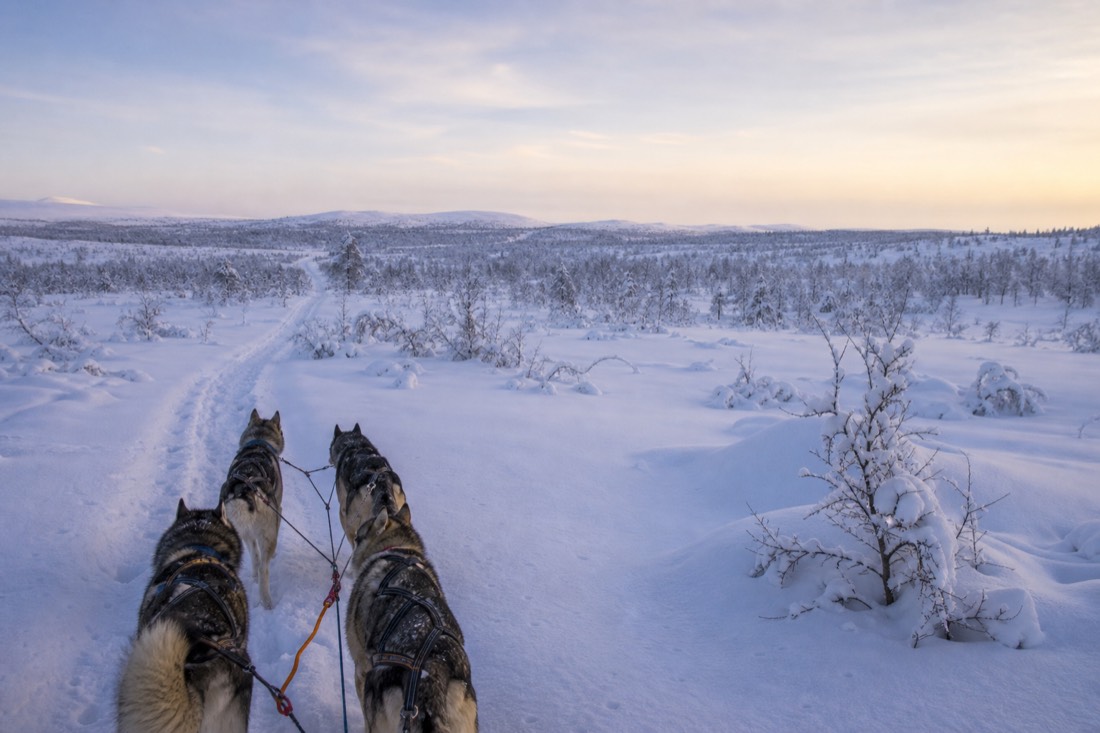
The other value point is that a Finnish trip does not have to be only about the aurora. If the sky refuses to cooperate for three nights, you still have huskies, snowmobiles, reindeer and Santa Claus Village, which means a cloudy week is a disappointment rather than a write-off.
How Do The Seasons Compare?
Broadly the same window, late August to early April, though what you can do alongside the aurora differs by month and by country.
| Month | Finnish Lapland | Northern Norway |
|---|---|---|
| September to October | Aurora, no snow, cheapest | Aurora, autumn coast, whale season starting |
| November | Snow arriving, activities opening | Aurora, whales, dark coast |
| December | Peak prices, Santa, full activity season | Aurora, polar night, high prices |
| January to February | Coldest, darkest, deep snow | Milder but cloudier, whales |
| March | Deepest snow, long daylight, best value | Aurora, lengthening days |
| Early April | Season closing | Season closing |
The January to February row is where the coastal difference shows most. Finland is colder and drier; Norway is milder and cloudier. Colder is generally better for aurora viewing, which is not intuitive until you remember that the enemy is cloud rather than temperature.
What Does Norway Do Better?
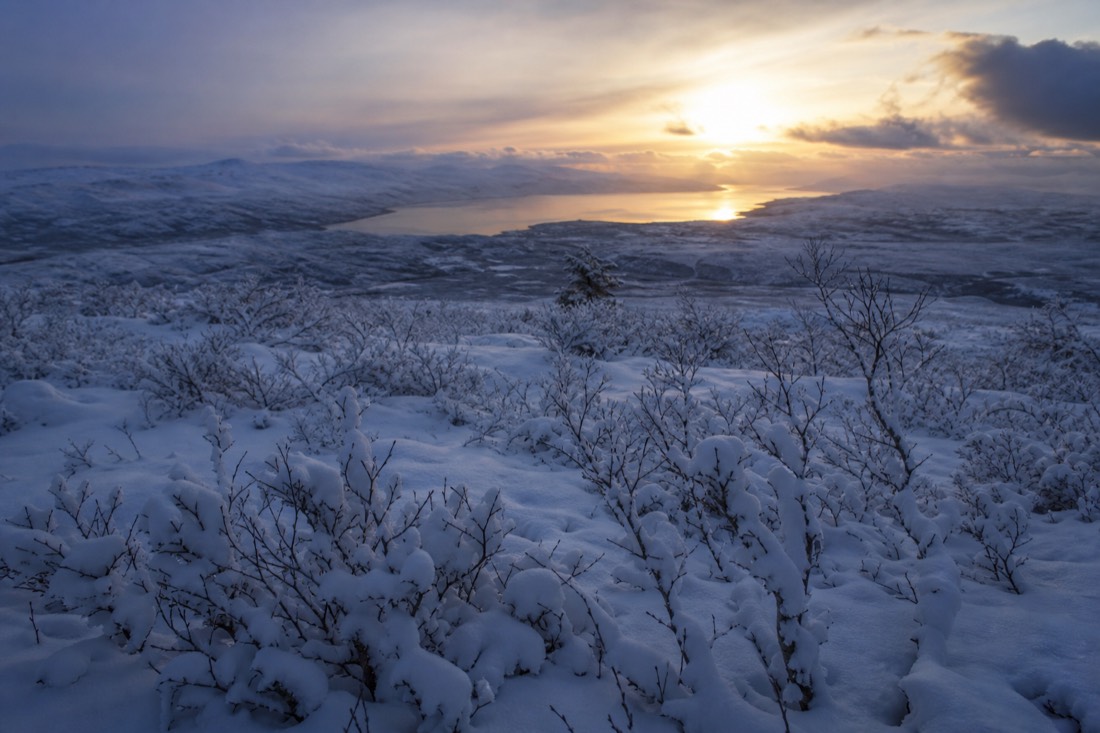
Scenery, and it is not a small advantage. Aurora over a fjord with mountains behind it photographs better than aurora over forest, and if the images are the point that matters.
Being fair about this is the only way the rest of the comparison is worth reading. Tromsø is a good base with experienced operators, the coastal landscape is genuinely spectacular, and whale watching in the same season is something Finland cannot offer.
What you pay for it is higher accommodation costs and a higher chance of cloud. Photographers who go repeatedly often pick Norway for the composition and accept they will need more nights to get a clear one.
So Which Should You Book?
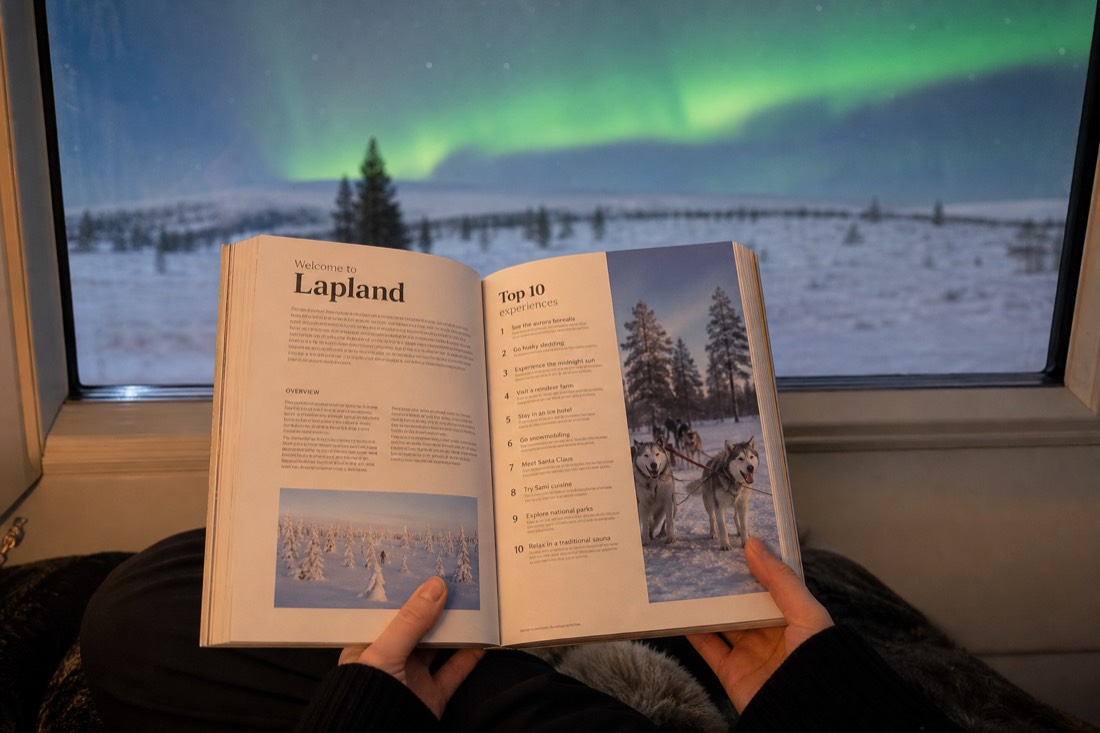
Finland if this is a first aurora trip, if there are children, if budget matters, or if you want other activities as insurance. Norway if the photographs are the whole point and you will give it several nights.
| Your priority | Go to |
|---|---|
| Best chance of clear sky | Finnish Lapland |
| Lowest cost | Finnish Lapland |
| Travelling with children | Finnish Lapland, for Santa Claus Village |
| Huskies, snowmobiles, reindeer as well | Finnish Lapland |
| Dramatic landscape in the photographs | Northern Norway |
| Whale watching in the same trip | Northern Norway |
| Only two or three nights available | Finnish Lapland, on the odds |
Whichever side you pick, the single most useful decision is the same: book more than one night. Our aurora guide shows how quickly the odds improve with repetition, and our base comparison covers where to stay within Finnish Lapland.
What Does The Rest Of The Trip Look Like In Each?
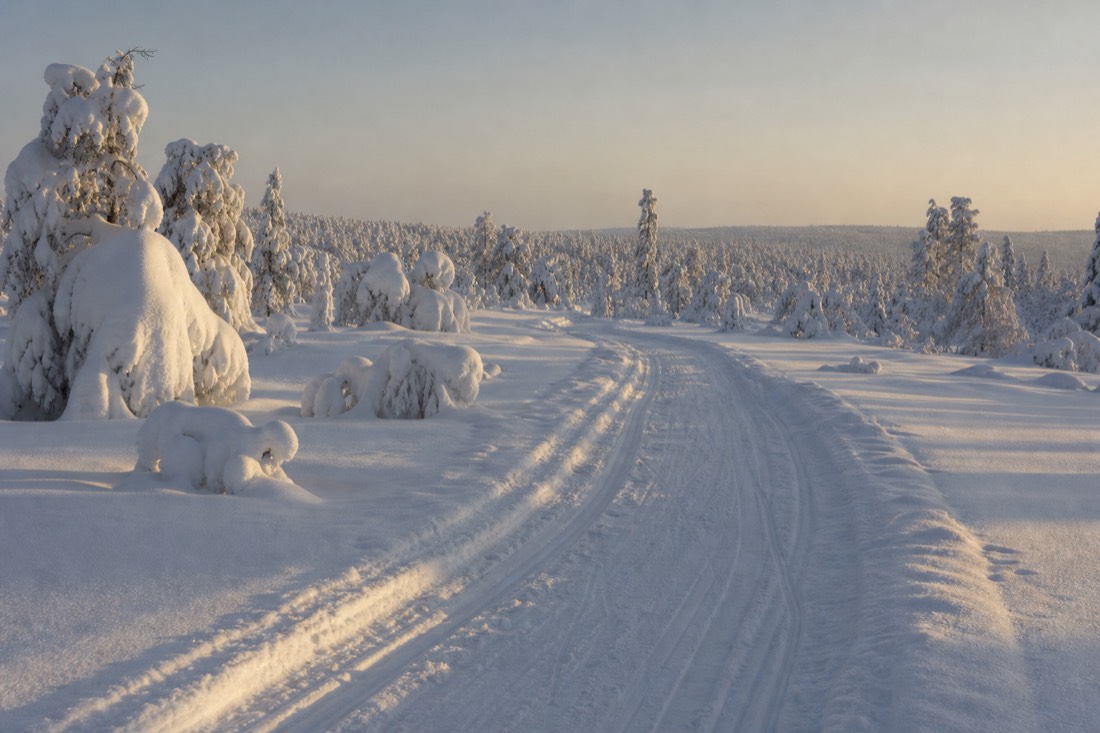
This is where the two genuinely diverge, and it is a better basis for choosing than aurora odds. Finland's winter product is built around Santa, huskies and reindeer. Norway's is built around the coast.
Both will take you out to look for the lights. What differs is what you do with the other five days, and for most families that decides it long before any comparison of latitudes.
| What you want alongside the aurora | Finnish Lapland | Norway |
|---|---|---|
| Santa Claus Village | Yes, and it is free to enter | No |
| Husky and reindeer safaris | Extensive, and the core of the market | Available, less central |
| A dedicated family product | Yes, this is what Rovaniemi is built for | Less so |
| Fjords and coastal scenery | No | Yes, and it is spectacular |
| Whale watching in season | No | Yes |
| A short direct flight from the UK | Yes, four routes to Rovaniemi this season | Yes, to several cities |
The Santa row is not a small thing. It is the reason a large share of UK visitors choose Finland, and it is genuinely free to enter, with meeting Santa free as well, per the Santa Claus Village information service and Visit Rovaniemi.
The fjords row is the counterweight. If nobody in the group cares about Santa and the landscape is the draw, Norway offers something Finland simply does not have, and no amount of aurora arithmetic changes that.
How Do The Practicalities Compare For A UK Traveller?
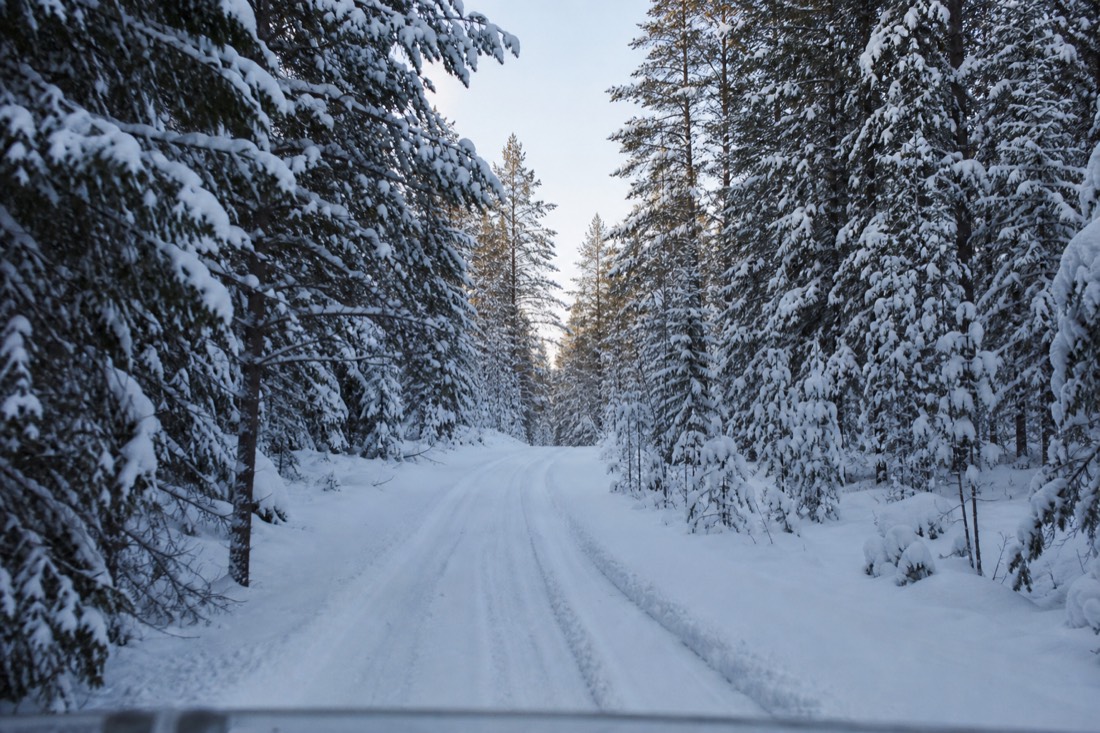
Finland is easier to reach for a short winter trip this season, because Rovaniemi has unusually good direct capacity. That is a 2026/27 fact rather than a permanent one, and it is worth checking against your own dates.
| Practicality | Finnish Lapland this season |
|---|---|
| Direct UK routes | Four to Rovaniemi: Ryanair Stansted daily, easyJet Gatwick and Newcastle, British Airways Gatwick |
| Season dates | Ryanair 25 Oct 2026 to 27 Mar 2027, the widest window of the four |
| Airport growth | Rovaniemi handled 1,120,022 passengers in 2025, up 18.4 per cent |
| Currency | Euro |
| Aurora season | Late August to early April |
| Aurora odds | Roughly 50 per cent of dark, cloudless nights at Lapland ski resorts, per the FMI |
The airport growth line explains why this comparison looks different from how it looked five years ago. Scheduled competition into Rovaniemi is what made an independent short trip realistic, and it is the same shift that makes booking activities direct sensible rather than theoretical.
One honest limitation on our side. This site lists and verifies Finnish Lapland products only, so we can tell you what a Finnish trip contains in detail and we cannot do the same for Norway. Treat the Norway column here as orientation and check it against a source that specialises in it.
What Aino Tells People Deciding Between The Two
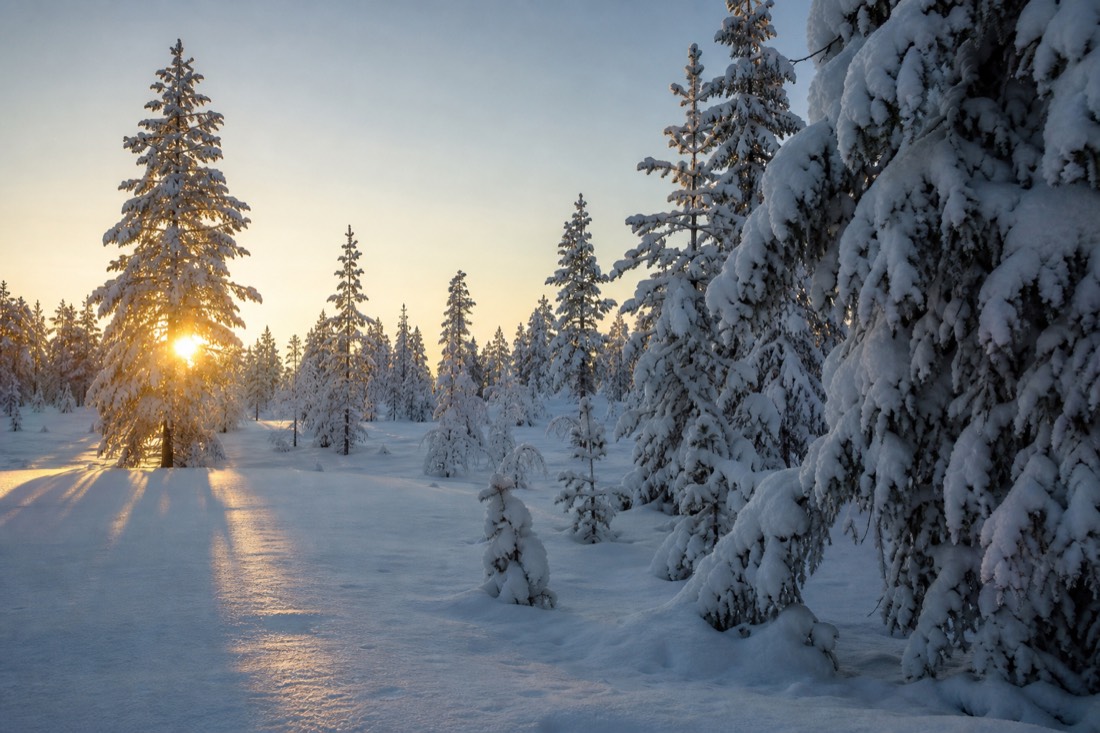
Aino Korhonen has planned Lapland trips since 2023 and by her own count has worked with more than 250 international travellers. She is a Lapland specialist, so she states the bias plainly and then gives the honest answer.
Her position is that the aurora question is close enough not to be the deciding factor. Both sit under the auroral zone, both have long seasons, and on any given night cloud decides it. Choosing a country on aurora odds is optimising the variable you control least.
What she does say is that the number of nights matters far more than the country, and that a traveller who books three nights in the wrong country beats one who books a single night in the right one.
The tiebreaker she offers is about the shape of the holiday. Children and Santa point firmly at Finland. Landscape, coast and hiking point at Norway. Cost tends to favour Finland, though not by enough to overturn a strong preference either way.
| If this is true | Book | Why |
|---|---|---|
| Young children, Santa matters | Finland | Rovaniemi is built for exactly this |
| You want fjords and coastline | Norway | Finland has no equivalent |
| Huskies and reindeer are the point | Finland | The deepest market for both |
| You have one night only | Neither, add nights | The country is not your problem |
| Direct flights on your dates | Whichever has them | Convenience beats marginal odds |
| You are optimising aurora odds | Stop, book more nights instead | Cloud decides any single night |
If Finland wins on that table, our aurora guide covers the odds properly and our base comparison covers where in Lapland to stay.
Common Questions
Is Norway or Finland better for the northern lights?
Finland tends to have clearer skies because it is inland rather than coastal, and cloud is the main thing that stops sightings. Norway has better scenery under the aurora. For odds and cost, Finland; for photographs, Norway.
Does going further north improve my chances?
Somewhat, but far less than adding nights. Within Finnish Lapland, Saariselkä and Inari are darker than Rovaniemi, though three nights near Rovaniemi beats one night further north on the arithmetic alone.
What about Iceland or Sweden?
Both sit under the auroral oval too. Iceland is coastal and cloud-prone like Norway; Swedish Lapland is inland like Finland and shares its advantage. This site covers Finnish Lapland only, so we are not going to rank places we have not researched to the same standard.
Which is cheaper to fly to from the UK?
Rovaniemi currently has four direct UK routes for the 2026/27 winter and an airport growing quickly, which has made fares competitive. Our airports guide lists the routes and dates.
How many nights do I need either way?
Three of aurora hunting, minimum, and four nights total. A single night is close to a coin flip wherever you are, and no destination changes that. Our trip-length guide covers the full arithmetic.
Your next booking step
Editorial starting point · confirm your party’s requirements below
Rovaniemi Aurora Photography Hunt
Have your travel dates in mind? Go looking for clear skies with a professional photographer; tripods and edited photographs are included. Check the outing before arranging the rest of your day.
Allow 5–7 hours. English guide, maximum 8 guests, minimum age 8 and minimum 2 per booking. Warm clothing, boots, drinks and snacks included; pickup within 10 km of Rovaniemi (city-centre guests meet at the office). No sighting guarantee.
Compare options and tailor this choice
Choose only the details you know. These filters help compare outings; the operator confirms suitability and dates.
Party ages and access requirements
Go looking for clear skies with a professional photographer; tripods and edited photographs are included.
Allow 5–7 hours. English guide, maximum 8 guests, minimum age 8 and minimum 2 per booking. Warm clothing, boots, drinks and snacks included; pickup within 10 km of Rovaniemi (city-centre guests meet at the office). No sighting guarantee.
Follow the evening weather on a guided aurora search with photographs sent afterwards.
Ages 1+. 4–6 hours; central meeting at Koskikatu 22. Thermal clothing, hot drinks and cookies included; dinner excluded. Can take up to 48 guests. No aurora refund is subject to the operator’s exact terms; it does not guarantee a sighting.
Chase clear skies in a group of up to eight, with photographs delivered after the outing.
Allow 5–8 hours. Ages 7–75; English guide. Pickup within 10 km of central Rovaniemi. Winter clothes and boots only on request. Operator offers a refund if no aurora appears in camera, under its terms; no sighting is assured.
Compare your actual quotes
Enter total quotes for the same people and inclusions, in one currency. Add transport, gear and supplements before comparing.
None of these outings fits those choices. Adjust a filter or reset to compare the original options.
Published departure schedule loading. Availability and final price are confirmed on Viator.
Affiliate links: we may earn a commission if you book, at no extra cost to you. Dates, options and the final price are confirmed by the provider.