Is Lapland Safe? What To Actually Be Careful Of
Finland is one of the calmer countries you can visit. Almost everything that goes wrong in Lapland is caused by temperature or by ice, not by people.
 Written with Aino Korhonen, Lapland tour specialist and Arctic experience guide
Short answer
Yes, very. The genuine risks are cold and inadequate clothing, ice underfoot, and snowmobiles, where Finland requires you to be at least 15 with a category T driving licence and caps speed at 60 km/h. Crime is not the concern most visitors expect it to be. The single most common mistake is turning up in jeans and cotton. The featured Arctic safari sets a stricter booking rule: drivers 18+ with a physical class B licence.
The things people worry about before a Lapland trip and the things that actually cause trouble are almost entirely different lists. Nobody gets into difficulty because of crime. Plenty get into difficulty because they were cold, or because they took a corner on a snowmobile faster than they meant to.
Booking takeaway: Choose an outing that matches your party’s actual needs. The guided village visit arranges transport and context; it is not a guarantee of safety, and activity restrictions still matter. Explore Rovaniemi city and Santa village tour
Is Lapland Safe?
Yes. Finland is a stable, low-crime country with good emergency infrastructure, and organised Lapland tourism is heavily supervised. The real risks are environmental: cold, ice and the machinery you are handed.
That is not a reason to be casual. Cold in particular is a genuine hazard rather than an inconvenience, and Lapland's winter runs about 200 days from around mid-October with the ground under snow for more than half the year, per the Finnish Meteorological Institute. What makes it manageable is that operators lend you the gear and brief you properly.
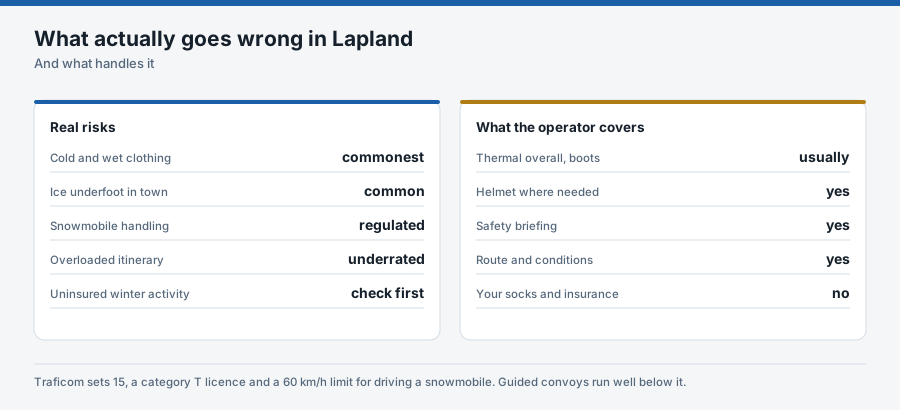
| Risk | How real | What handles it |
|---|---|---|
| Cold and inadequate clothing | The most common problem by far | Thermal layers, no cotton, operator's overall |
| Ice underfoot in town | Common, and how most minor injuries happen | Proper boots, walk slowly, use handrails |
| Snowmobile handling | Real, which is why there are rules | Licence, briefing, convoy speeds |
| Getting lost | Very low on a guided tour | Stay with the group, always |
| Wildlife | Very low | Reindeer on roads are the main issue if driving |
| Crime | Low | Ordinary sense, as anywhere |
| Winter road driving | Real if you self-drive | Consider tours with pickup instead |
What Are The Snowmobile Rules?
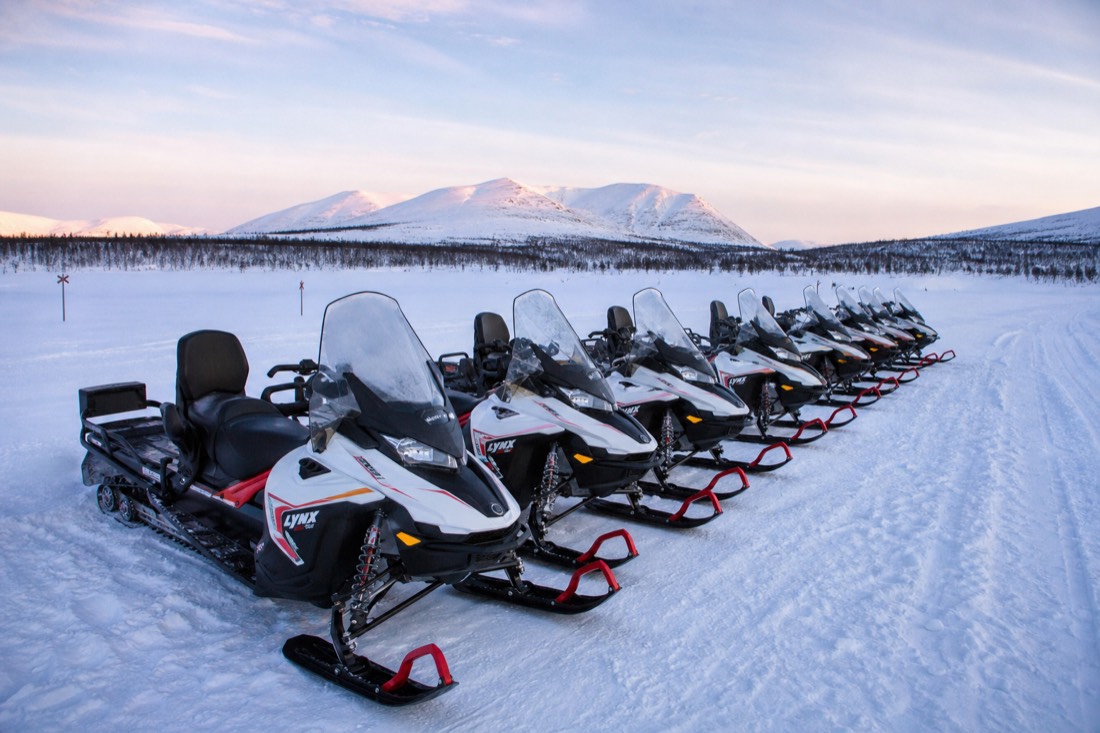
Traficom, the Finnish transport authority, sets a minimum age of 15 with a category T driving licence to drive on official routes, and a maximum speed of 60 km/h on routes and in terrain.
For the Arctic safari recommended here, the booking rule is stricter: drivers must be at least 18 and present a physical class B licence. The listing accepts participants from age six; under-15s ride in the guide’s towed sled, while passengers behind a driver must be at least 15 and 140 cm tall. Confirm every person’s role before booking.
In practice guided convoys run well below the legal limit, in single file, at the pace of the least confident rider. The realistic risk is inattention rather than speed, and the first section of every safari is deliberately easy so the guide can see who is comfortable. Our snowmobile guide covers what to expect.
How Dangerous Is The Cold?
It deserves respect rather than fear. What turns cold into a problem is wet clothing, and what makes clothing wet is cotton, which is why the jeans warning appears on every page of this site.
Denim and cotton absorb moisture and stop insulating once damp. You will sweat slightly walking to the sled and some snow will land on you, and cotton keeps all of it against your skin. Wool and synthetics keep working when damp.
The other underestimated item is socks. Apukka lists woollen socks in its activity kit, but provision varies and you need your own for independent time. Cold feet end more Lapland days early than anything else. Our what to wear guide sets out the full layering system, and the operators handle the outer layer for you.
What Should You Be Careful Of That Nobody Mentions?
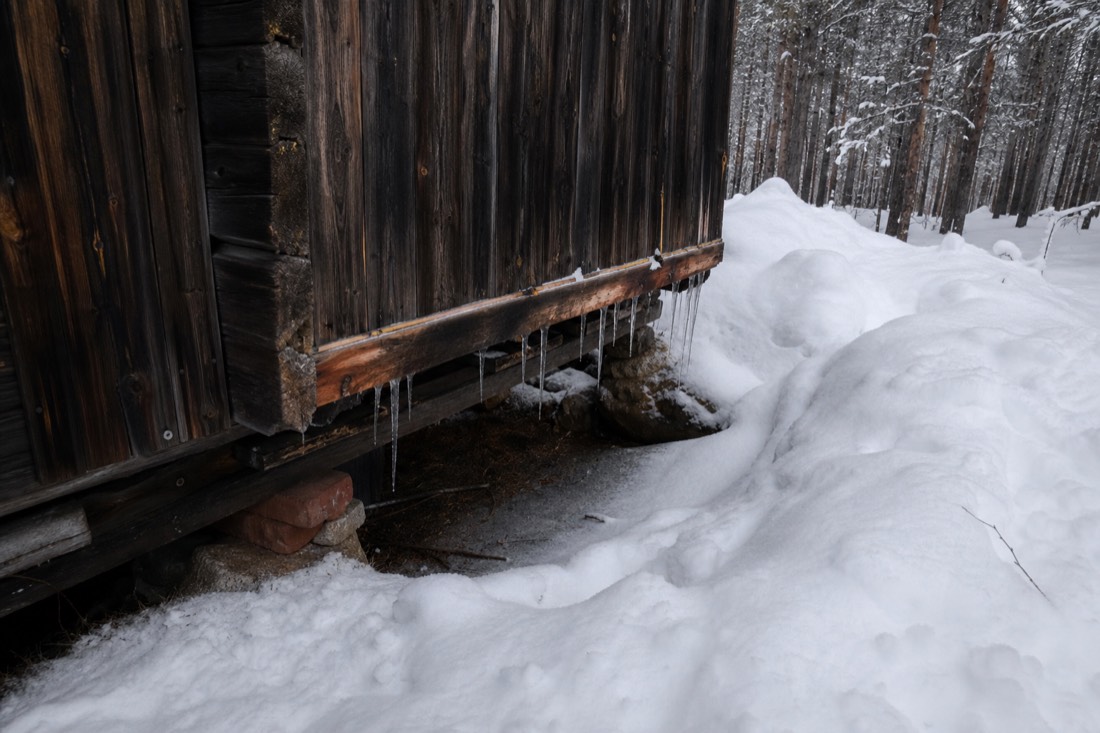
Ice on pavements, reindeer on roads if you are driving, and your own schedule. Overloading a Lapland itinerary is how people end up cold, tired and careless.
| Underrated hazard | Why it matters | Fix |
|---|---|---|
| Ice on town pavements | The commonest cause of minor injury | Proper boots, slow down, use gritted paths |
| Reindeer on the road | They wander, and they do not move fast | Only relevant if you hire a car |
| Battery-dead phone in the cold | Your map and torch both die | Keep it in an inside pocket |
| Three consecutive late aurora nights | Tiredness makes people careless | Build a rest evening in |
| Two activities in one short winter day | Rushing in the cold | One a day is the sensible ceiling |
| Not checking travel insurance | Snowmobiling is excluded from some policies | Check before you leave home |
That last row is worth acting on. Booking activities directly means you have no package financial protection, so insurance carries more weight than it would on a charter holiday. Our booking guide explains what booking direct does and does not cover.
What Does The Operator Actually Take Care Of?
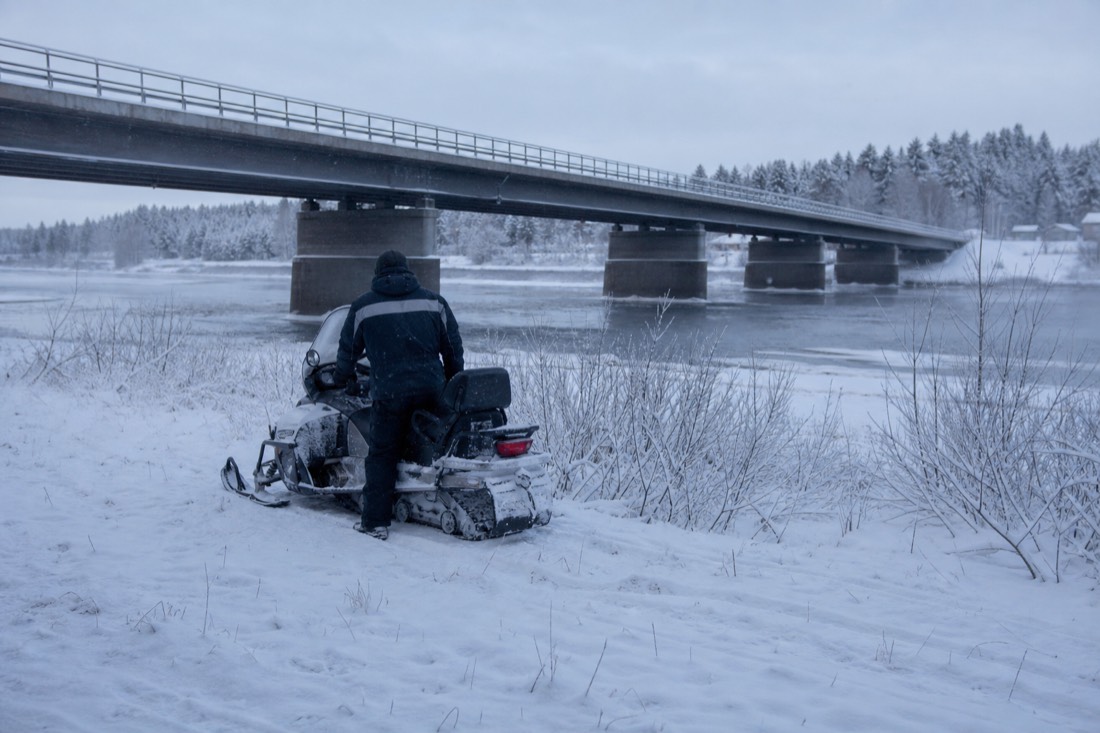
Most of it, on a guided tour. That is the strongest safety argument for booking activities rather than improvising, and it is worth knowing exactly where the line falls.
| Element | Operator handles | You handle |
|---|---|---|
| Thermal overall and boots | Yes, on almost every listing | Base layers underneath |
| Socks | Some operators, including Apukka | Bring your own and spares for independent time |
| Helmet, where needed | Yes, on snowmobile tours | Wearing it properly |
| Safety briefing | Yes | Actually listening to it |
| Route choice and conditions | Yes | Telling them if you are struggling |
| Group pace | Yes | Not pushing past it |
| Transport in winter conditions | Yes, where pickup is included | Being ready on time |
| Travel insurance | No | Yes, and check winter activities are covered |
Read the rows you own. Own clothing for independent time, base layers and insurance are the three you still need to arrange, and they are exactly the three that go wrong.
Is It Safe For Children?
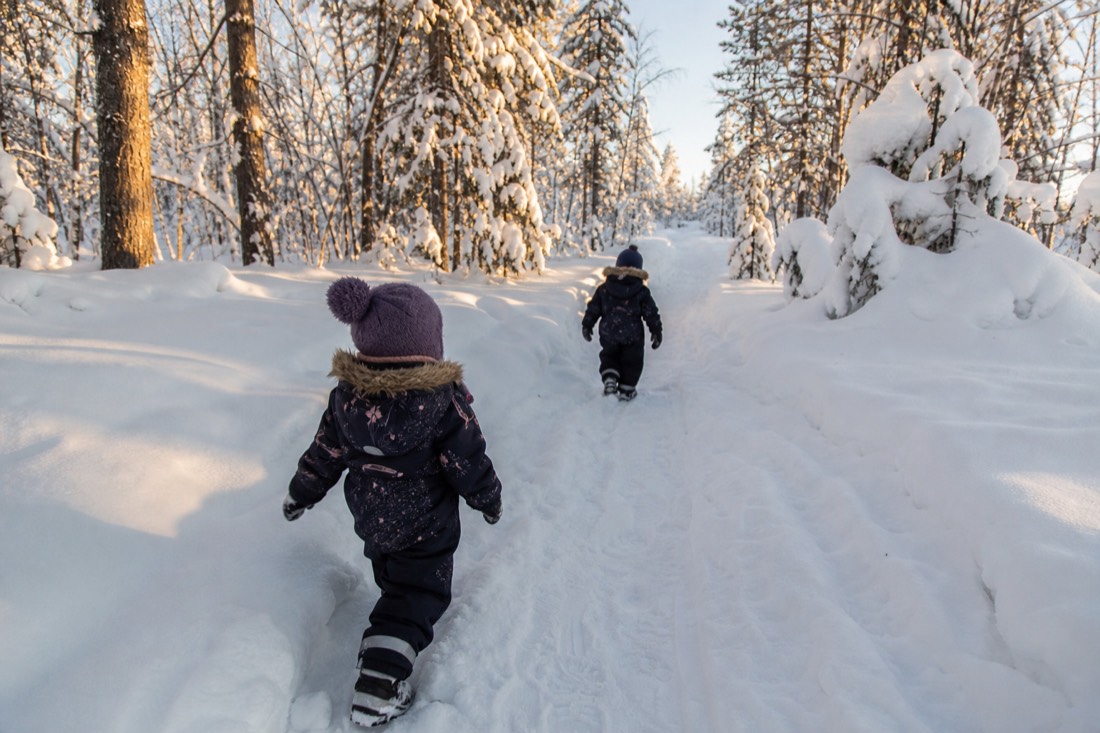
Yes, with the usual caveats about cold and about matching the activity to the age. Operators state their own minimum ages, and those are the ones that apply.
The featured snowmobile operators require drivers aged 18 or over; the Arctic safari also requires a physical class B licence. Husky safaris are safe but genuinely loud before the start, which upsets some small children more than anything about the ride itself. Reindeer sleighs and Santa Claus Village suit almost any age, and village entry is free. Our guide to Lapland with children works through which activity lands at which age.
What Does Finland Actually Regulate, And What Is Left To The Operator?
The machinery is regulated and published. The animal side is much less clearly documented in English, and this site will not pretend otherwise. Knowing which is which tells you when to trust a rule and when to ask the operator directly.
Snowmobiles are the clearest case. Traficom, the Finnish transport authority, sets a minimum age of 15 and requires a category T driving licence on official snowmobile routes, with a maximum of 60 km/h on routes and in terrain. Finland has 180,741 registered snowmobiles and roughly 20,000 km of snowmobile track, about 3,500 km of it maintained by Metsähallitus. Those are published national figures, not operator claims.
| The rule | Source | How solid is it |
|---|---|---|
| Snowmobile minimum age 15, category T licence | Traficom, January 2025 | Published and verifiable |
| 60 km/h maximum on routes and in terrain | Traficom | Published and verifiable |
| Operators here require 18 and a category B licence | The listings themselves | Stricter than the law, stated per listing |
| Thermal gear provided by the operator | The listings | Stated per listing, check yours |
| Sled-dog welfare regulation | Operator sites citing Finlex | Not confirmed against a primary source |
| Snowmobile child-passenger rules | Not established | Not confirmed, ask the operator |
The bottom two rows are deliberate blanks. Plenty of sites state Finnish sled-dog welfare rules as settled fact, and the sourcing we could find runs back to operator pages rather than to a primary legal source. Two of the husky listings here publish their own welfare positions, one described as animal-welfare certified and one stating a no-kill policy and rescue programme, and that is what we can honestly report.
The practical reading is not that the dogs are unregulated. It is that we cannot show you the rule, so we point you at the operator, who can.
What Actually Happens If Conditions Turn Dangerous?
Operators cancel, and the terms are written down more often than people check. One listing here states plainly that it reschedules or refunds at -30°C or below, which tells you where a Finnish operator draws its own line.
Finland's record low is -51.5°C, set in 1999, and that number circulates far more than it deserves to. Rovaniemi's January average is -12.2°C on the 1991 to 2020 normals, which is the temperature the borrowed gear is designed around and a temperature at which everything runs normally.
| Condition | What usually happens | What you should have done |
|---|---|---|
| Ordinary cold, -10°C to -20°C | Everything runs | Nothing, this is a normal Lapland day |
| Severe cold, below -30°C | At least one listing reschedules or refunds | Check your listing's stated policy |
| Heavy snow | Activities usually run, transfers slow | Leave buffer between bookings |
| Cloud on an aurora night | The tour runs anyway, the sky does not | Book more than one night |
| You feel unsafe on the day | Tell the guide, do not push through | Nothing, but say something early |
The bottom row is worth more than the rest of the table. The recurring complaint pattern across the reviews on this site is about length, sharing and weather, and almost never about safety, guides, or operators failing to deliver what they advertised. The gear is lent, the briefings happen, and guided convoys run well inside the legal speed limit.
What that leaves is the part you own: base layers, socks, insurance, and saying something when you are cold rather than an hour later. Our clothing guide covers the layers, and the honest summary is that wet cotton causes far more Lapland misery than the Arctic does.
What Aino Tells Nervous First-Time Winter Travellers
Aino Korhonen has planned Lapland trips since 2023 and by her own count has worked with more than 250 international travellers. The fears people arrive with and the problems they actually have are almost entirely different lists.
People worry about the cold and about the animals. What actually goes wrong is footwear on packed ice in town, a phone battery dying in the dark, and children being tired rather than cold. None of those are dramatic and all of them are avoidable.
She also makes a point about the licence rules that sounds administrative and is not. Turning up to a self-drive snowmobile safari without the physical licence card means watching from the sled, and operators check the document rather than a photograph of it.
| What people fear | What actually happens | What to do instead |
|---|---|---|
| Extreme cold | -12°C average in January, gear is lent | Bring base layers, not a new coat |
| Falling off a husky sled | Two adults per sled, briefed, slow start | Nothing, this is the easy part |
| The dogs being mistreated | Operators publish their own policies | Ask, and read what the listing states |
| Snowmobiles being dangerous | Convoys run well under the 60 km/h limit | Bring the physical licence |
| Getting lost in the dark | You are with a guide the whole time | Nothing |
| Slipping in town | This one is real, on packed ice | Grippy boots for walking around |
The last row is the only fear on that list that is under-rated rather than over-rated. Boots are lent for the activities and the rest of your week happens on ice, which is where the twisted ankles come from.
Common Questions
What should I be careful of in Finland?
Cold and inadequate clothing above everything, then ice underfoot in town, then snowmobile handling if you are driving one. Crime is not the concern most visitors expect. Reindeer on roads matter if you hire a car.
Do I need special insurance?
Check that winter activities are covered, because snowmobiling in particular is excluded from some standard policies. Booking activities directly rather than as a package means you have no package financial protection, so insurance does more work.
Is it safe to walk around Rovaniemi at night?
Generally yes, with ordinary sense as anywhere. The bigger practical hazard after dark in winter is ice on pavements rather than anything else.
What if a tour is cancelled for weather?
Operators cancel in genuinely dangerous conditions, which is the system working. Most listings here offer free cancellation up to 24 hours before, which protects your money but does not find you another slot.
Should I hire a car?
Usually not. Winter driving in Lapland is a real skill, and most tours include pickup from central Rovaniemi accommodation. Our travel guide covers getting around without one.
Your next booking step
Editorial starting point · confirm your party’s requirements below
Rovaniemi City And Santa Village Tour
Have your travel dates in mind? Combine a guided look around Rovaniemi with Santa Claus Village and an Arctic Circle certificate. Check the outing before arranging the rest of your day.
About 3 hours with hotel pickup. English guiding. Village entry and meeting Santa are free independently; the paid value is transport and guiding. Photos, food and drinks cost extra. Listing marks wheelchair access; confirm your vehicle and personal requirements before booking.
Compare options and tailor this choice
Choose only the details you know. These filters help compare outings; the operator confirms suitability and dates.
Party ages and access requirements
Combine a guided look around Rovaniemi with Santa Claus Village and an Arctic Circle certificate.
About 3 hours with hotel pickup. English guiding. Village entry and meeting Santa are free independently; the paid value is transport and guiding. Photos, food and drinks cost extra. Listing marks wheelchair access; confirm your vehicle and personal requirements before booking.
Drive a husky team through the forest, then meet the dogs over a hot drink.
About 2 hours at Apukka; allow roughly 3.5 hours with transfers. Thermal overall, boots, socks and mittens included. Transfers from Rovaniemi centre or Santa Claus Village. Listed ages 2–75; children ride with an adult; adults must be able to control the sled. Guides do not drive it for you. Not suitable for pregnancy or mobility limitations.
Ride private forest trails in a convoy of at most five snowmobiles per guide.
3–4 hours total, about 1 hour riding. Meet at Valtakatu 26; hotel pickup excluded. Gear, coach transfers, snacks and drinks included. Two guests share a machine. Drivers 18+ with a physical class B licence; minimum participant age 6. Under-15s ride in a towed sled. Damage liability up to €950 per person per accident.
None of these outings fits those choices. Adjust a filter or reset to compare the original options.
Published departure schedule loading. Availability and final price are confirmed on Viator.
Affiliate links: we may earn a commission if you book, at no extra cost to you. Dates, options and the final price are confirmed by the provider.