The Glass Igloo Photograph, And What It Does Not Show
Every Lapland glass igloo is sold with the same image. Here is what that photograph leaves out, what the room actually costs, and when it is still worth booking.
 By Aino Korhonen, Lapland tour specialist and Arctic experience guide
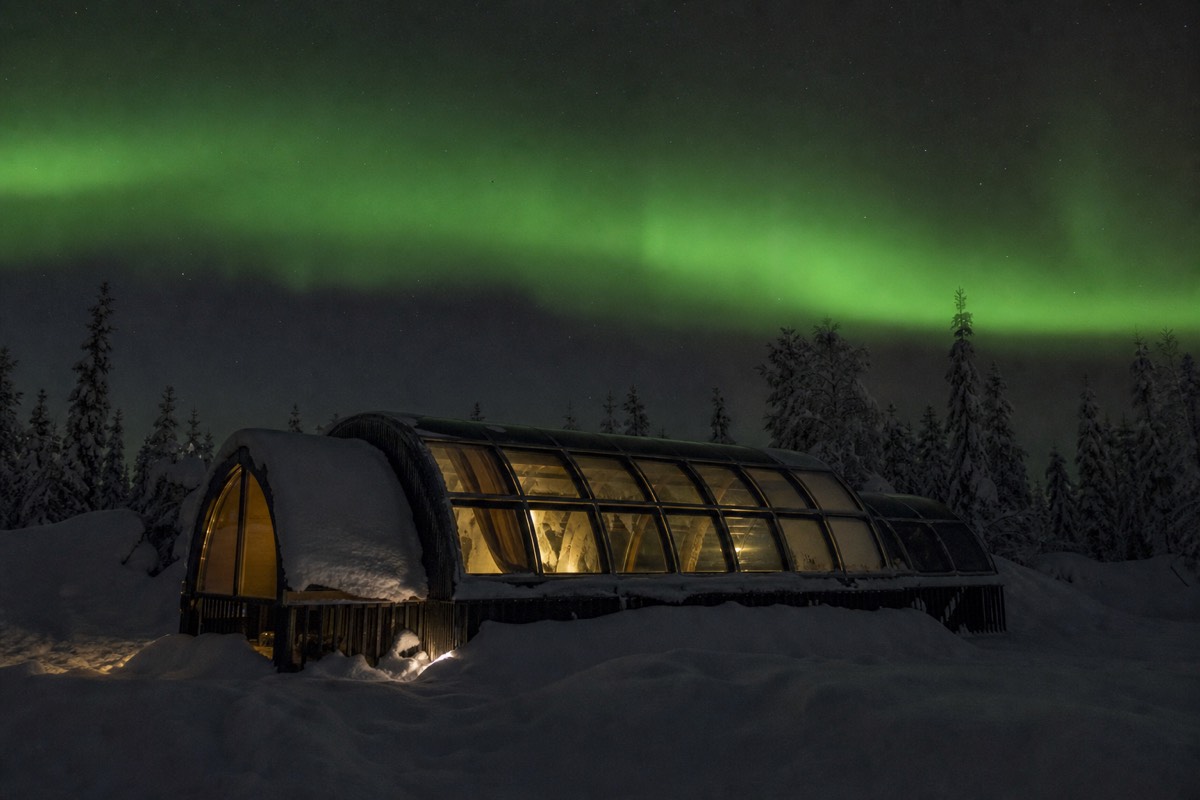
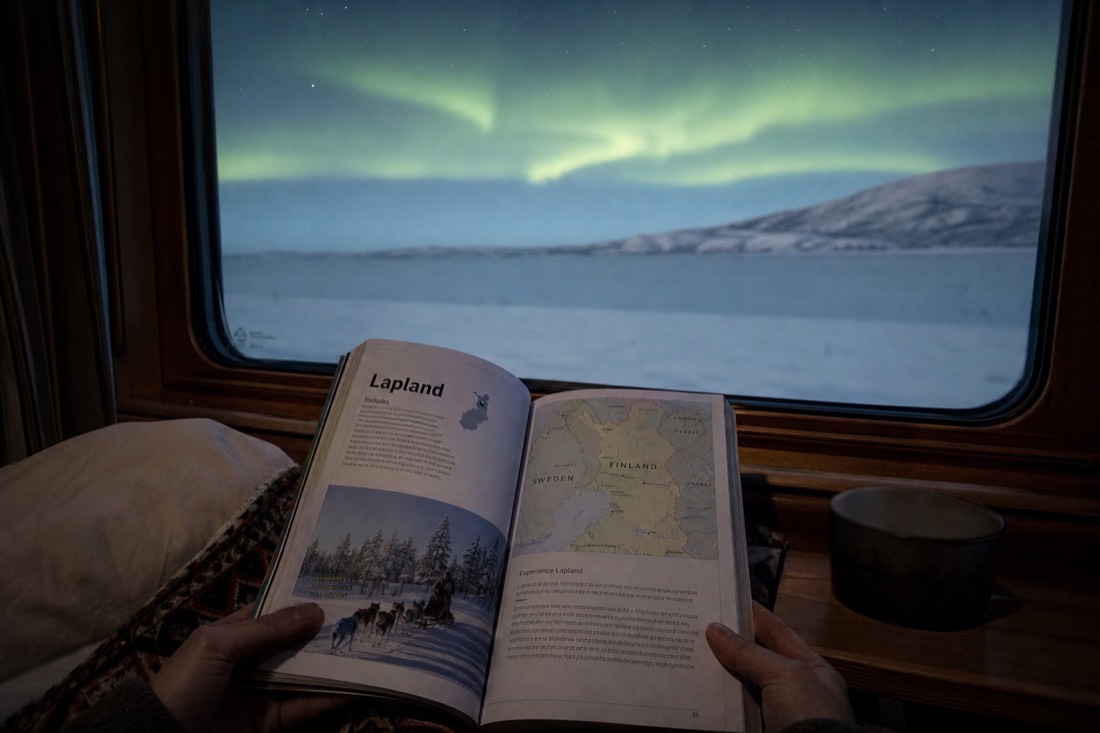
You have seen the photograph. Aurora filling the frame, a glass dome, somebody in a bed looking up at it. It is one of the most effective pieces of travel marketing ever produced, and almost everything it implies about a Lapland trip is worth examining before you spend €990 on a night.
Booking takeaway: Separate the room you want from the night sky you hope for. A mobile photography hunt is a different purchase from accommodation, with its own duration and pickup limits. Explore Rovaniemi aurora photography hunt
What The Photograph Does Not Show
The other four nights, when the sky was cloudy and the same room cost the same money. The image is real. What it is not is representative.
The Finnish Meteorological Institute puts the aurora at roughly 50 per cent of dark, cloudless nights at Lapland ski resorts. Northern Finland has plenty of cloudy nights in winter. So the photograph shows the good outcome of a coin flip that has a second face nobody photographs.
| What the image implies | What is actually true |
|---|---|
| The aurora is reliably overhead | Roughly half of dark, cloudless nights |
| You will see it from your bed | Only if the sky above that specific spot is clear |
| The room is the best way to see it | A guided tour can drive to find clear sky |
| It is a serene private experience | Usually true, and that part is genuine |
| It costs a premium worth paying | Depends entirely on what you are buying it for |
What It Actually Costs

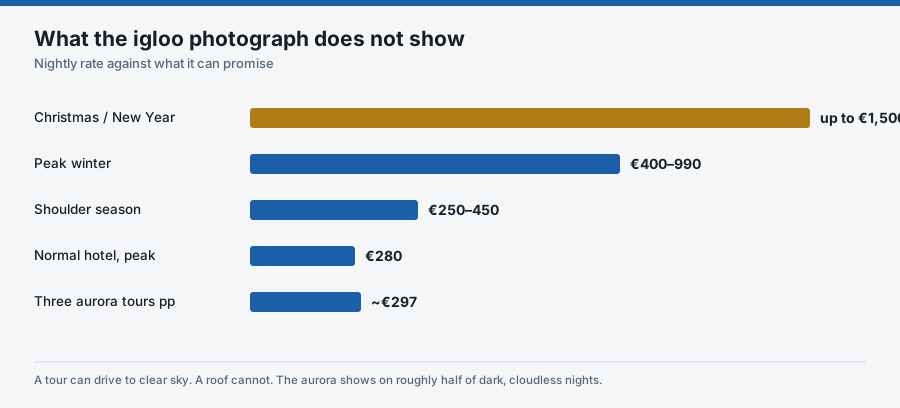
€250 to €450 a night in shoulder season, €400 to €990 in peak, and up to around €1,500 over Christmas and New Year at some properties. Set that against a Rovaniemi hotel at €150 to €280.
| Option | Per night | What it buys |
|---|---|---|
| Ordinary Rovaniemi hotel | €150 to €280 | A warm bed, and nothing else |
| Glass igloo, shoulder season | €250 to €450 | The view, weather permitting |
| Glass igloo, peak season | €400 to €990 | The same view, at peak prices |
| Glass igloo, Christmas and New Year | Up to about €1,500 | The same view again |
| Guided aurora tour, per person | €89 to €99 | A vehicle that can chase clear sky |
| Ice hotel snow room | Property dependent | A different experience entirely, 0°C to -5°C |
Read the first and fifth rows together. A normal hotel plus three guided aurora hunts for two people costs less than one peak igloo night at some properties, and gives you three independent attempts from a vehicle that can move.
So Is It A Con?
No. It is a genuinely lovely room being sold with an implied promise it cannot keep. Those are different things, and the distinction decides whether you should book one.
If what you want is the room, book the room. A glass igloo is a memorable, comfortable, unusual place to sleep, and on the night it works it is spectacular. Finland has around 37 glass igloo hotels, eleven of them in the Rovaniemi area, so there is real choice and real competition on price. The season runs long too: Visit Finland puts Lapland snow cover at roughly November to May.
If what you want is the aurora, the room is an expensive and immobile instrument. It cannot drive a hundred kilometres to a hole in the cloud, which is exactly what a good guide does. Our glass igloo guide covers the rates and the practicalities in full.
The Strategy Most People Arrive At Eventually
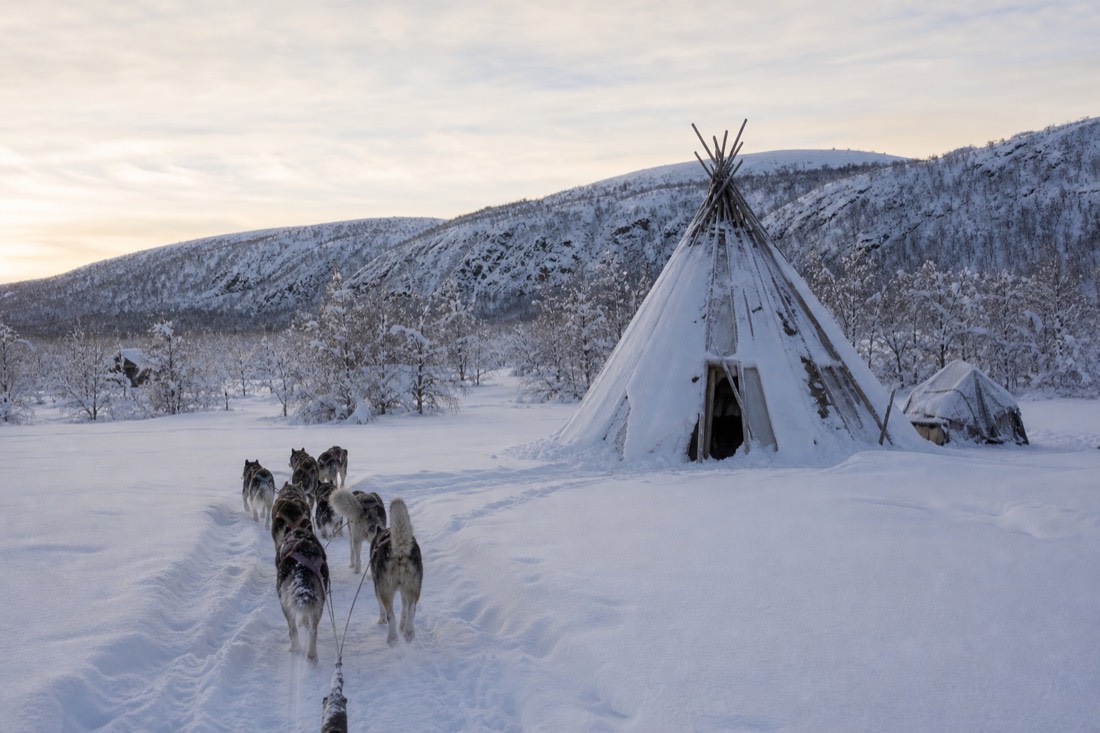
One or two igloo nights as the treat, an ordinary hotel for the rest, and guided tours for the actual hunting. It is not a compromise, it is just buying each thing from whoever does it best.
The igloo does the room brilliantly. The tour does the chasing brilliantly. Trying to make the igloo do both is what turns a €900 night into a disappointment when the cloud comes in.
There is also a comfort point that rarely appears in reviews until you read carefully. A glass roof over a bed is a large cold surface, and properties vary in how well they manage heating and condensation. Read recent written reviews specifically for that, because it is the difference between a memorable night and a chilly one.
What To Check Before You Book One
| Check | Why it matters |
|---|---|
| Recent reviews mentioning cold or condensation | A glass roof is a large cold surface, and properties vary |
| Whether the bed faces the glass | Some layouts genuinely do not point at the sky |
| Light pollution around the property | A resort's own lighting can wash out a faint display |
| Whether a sauna or hot tub is included | Often the part guests rate highest |
| Cancellation terms | These are accommodation terms, not tour terms |
| How many nights you are committing | One or two is the sweet spot for most people |
The second row catches people out more than it should. Not every glass igloo is laid out so that the bed looks up through the glass, and that is the entire premise you are paying for.
What About The Ice Hotel Photograph?
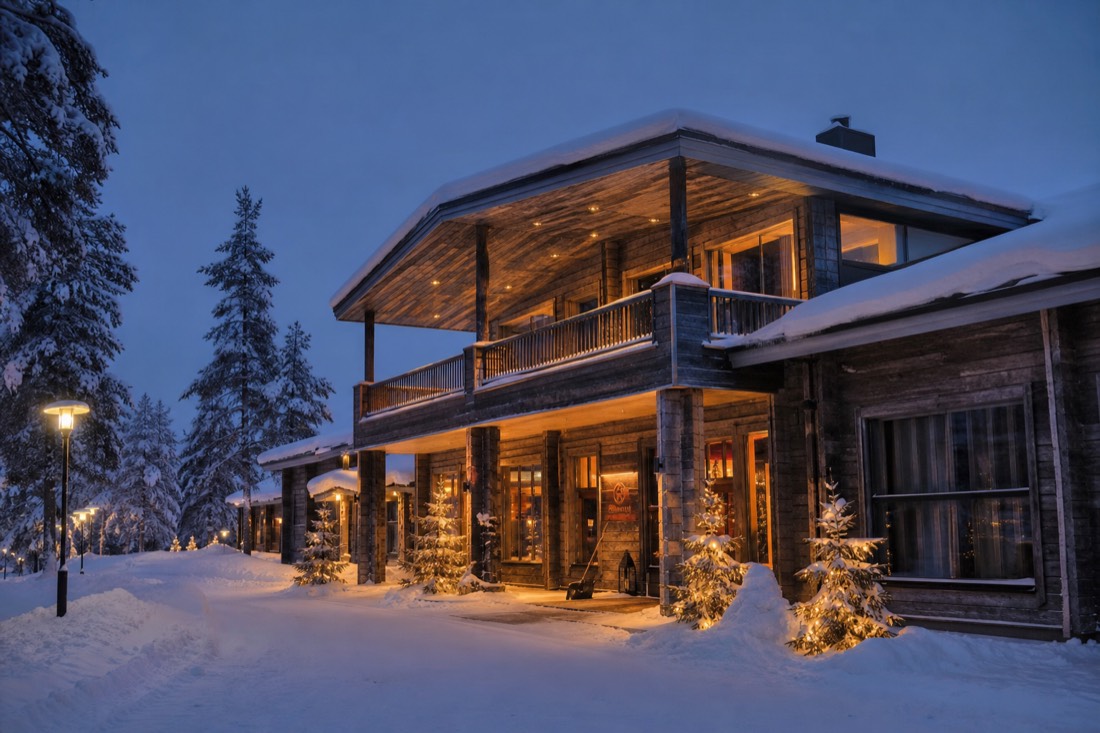
Different promise, and a more honest one. An ice hotel room is held between 0°C and minus 5°C and you sleep in a rated sleeping bag. Nobody is implying that will be cosy.
The Arctic SnowHotel in Rovaniemi runs its snow rooms and ice restaurant from 15 December to 31 March, and the structure is rebuilt every winter. That tight window constrains travel dates more than any other accommodation choice in Lapland.
Almost nobody does more than one night, and the properties know it: many sell it as a single night with a warm room either side. Treated as an experience rather than as accommodation, it delivers exactly what its photographs show, which is more than the glass igloo image can say.
The Igloo Against A Guided Tour, On The One Thing That Matters
A bed cannot move and a minibus can. That is the entire argument, and it is the reason people who do both usually rate the tour higher for actually seeing something.
Roughly half of dark, cloudless nights show aurora at Lapland ski resorts per the Finnish Meteorological Institute, and cloud is what removes most of the rest. A guide willing to drive a hundred kilometres for a gap in the cloud is doing the only thing that changes those odds.
| Glass igloo | Guided aurora tour | |
|---|---|---|
| Can it relocate to clear sky | No, it is a fixed point | Yes, and the good ones do |
| How many attempts does it give you | One per night booked | One per tour booked, and they are cheaper |
| What happens if it clouds over | An expensive room | A cold night, and you try again tomorrow |
| Comfort | Considerable | A minibus and a campfire |
| The photograph you imagined | Only if the sky performs | Different photograph, same sky |
The middle row is the one that decides it for most people once they see it written down. Three tours across three nights is a fundamentally better bet than one night under glass, and it is the same reasoning that argues against a package's single scheduled aurora night.
None of this makes the igloo a bad purchase. It makes it a comfort purchase with an aurora bonus attached, which is a perfectly reasonable thing to buy as long as that is what you think you are buying.
What To Actually Do With This
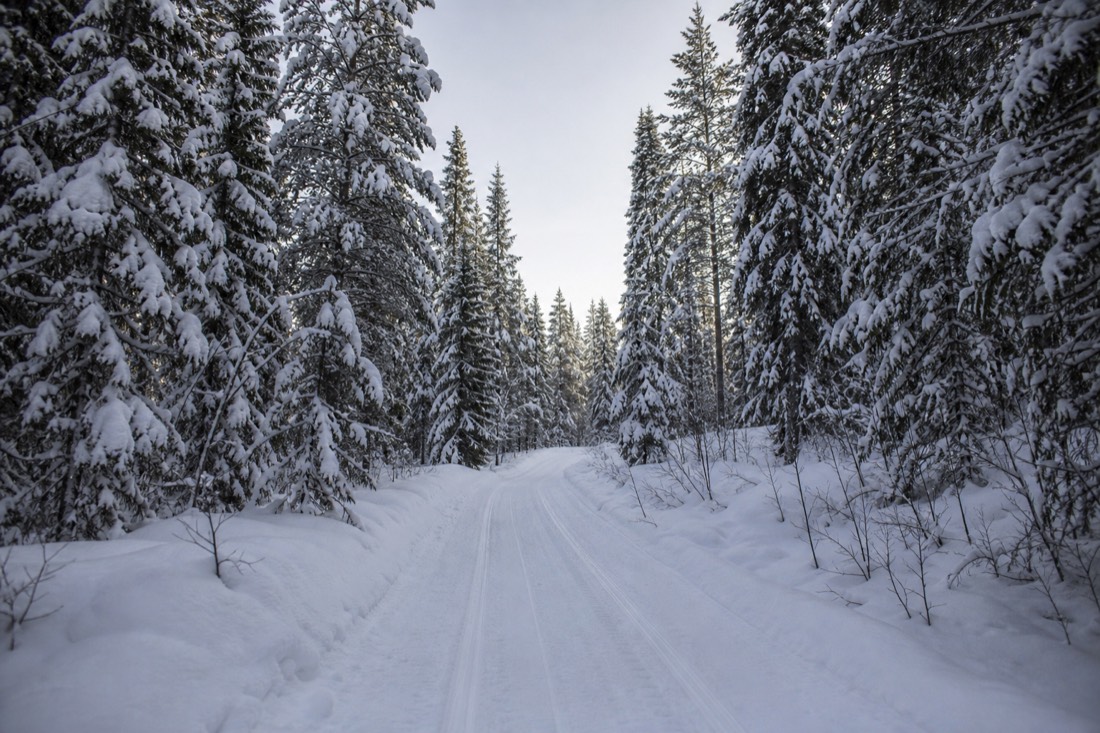
Book one night in the glass, in the middle of the trip, and book separate aurora tours on the other nights. That structure keeps the room and removes the gamble.
| The plan | What usually happens |
|---|---|
| A week in the igloo | The novelty is gone by night two, the cost is not |
| One igloo night, plus two tours | The most common structure among people who go back |
| Igloo on the arrival night | Late flight, tired, and often cloudy |
| Igloo instead of any tours | One fixed bet on one patch of sky |
| Igloo in April | The ice hotels closed on 31 March, though glass runs most of the year |
The last row catches people out because the two products get discussed together and run on different calendars. Snow and ice structures are rebuilt each winter and run roughly 15 December to 31 March. A glass-roofed cabin is a permanent building with no such limit.
If the budget is what is driving the question, our budget guide puts the igloo firmly in the "cut first" column, and the second aurora night firmly in the "never cut" one.
The One-Line Summary
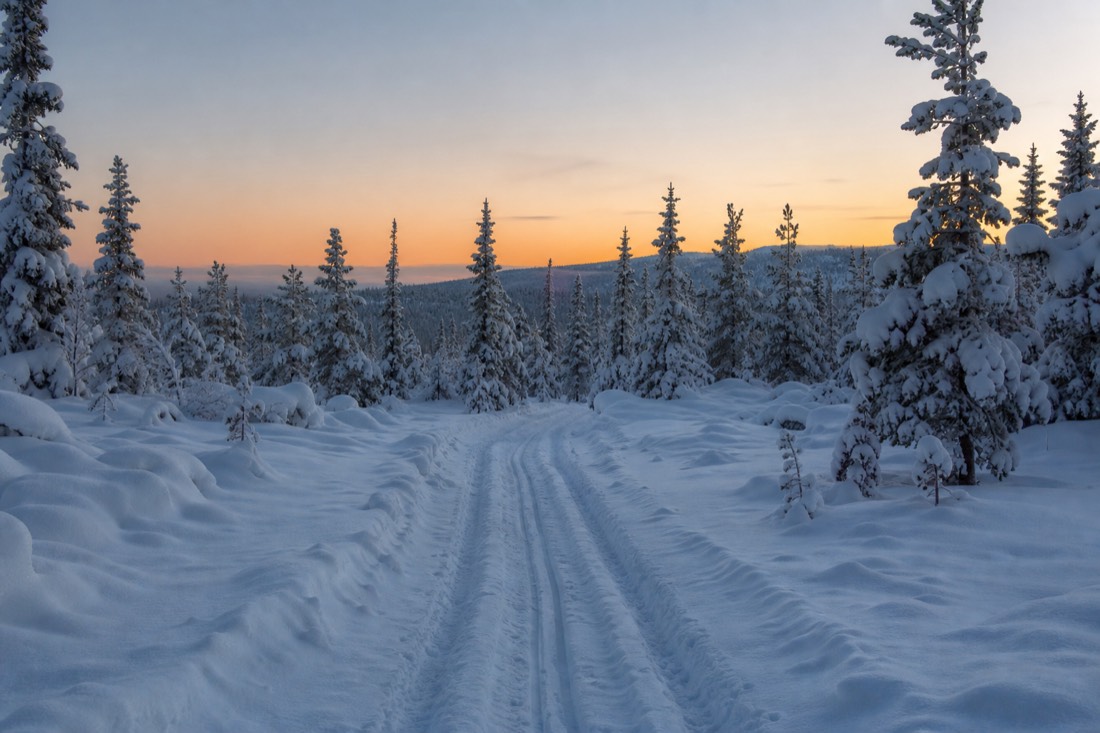
Buy the igloo for the room and you will be pleased whatever the sky does. Buy it for the aurora and you have paid a large premium for a coin flip you could have run three times for less.
Whichever way you go, give yourself more than one night of aurora chances. That single decision does more for your odds than any accommodation choice, and our aurora guide shows exactly how much.
Your next booking step
Editorial starting point · confirm your party’s requirements below
Rovaniemi Aurora Photography Hunt
Have your travel dates in mind? Go looking for clear skies with a professional photographer; tripods and edited photographs are included. Check the outing before arranging the rest of your day.
Allow 5–7 hours. English guide, maximum 8 guests, minimum age 8 and minimum 2 per booking. Warm clothing, boots, drinks and snacks included; pickup within 10 km of Rovaniemi (city-centre guests meet at the office). No sighting guarantee.
Compare options and tailor this choice
Choose only the details you know. These filters help compare outings; the operator confirms suitability and dates.
Party ages and access requirements
Go looking for clear skies with a professional photographer; tripods and edited photographs are included.
Allow 5–7 hours. English guide, maximum 8 guests, minimum age 8 and minimum 2 per booking. Warm clothing, boots, drinks and snacks included; pickup within 10 km of Rovaniemi (city-centre guests meet at the office). No sighting guarantee.
Follow the evening weather on a guided aurora search with photographs sent afterwards.
Ages 1+. 4–6 hours; central meeting at Koskikatu 22. Thermal clothing, hot drinks and cookies included; dinner excluded. Can take up to 48 guests. No aurora refund is subject to the operator’s exact terms; it does not guarantee a sighting.
Drive a husky team through the forest, then meet the dogs over a hot drink.
About 2 hours at Apukka; allow roughly 3.5 hours with transfers. Thermal overall, boots, socks and mittens included. Transfers from Rovaniemi centre or Santa Claus Village. Listed ages 2–75; children ride with an adult; adults must be able to control the sled. Guides do not drive it for you. Not suitable for pregnancy or mobility limitations.
Compare your actual quotes
Enter total quotes for the same people and inclusions, in one currency. Add transport, gear and supplements before comparing.
None of these outings fits those choices. Adjust a filter or reset to compare the original options.
Published departure schedule loading. Availability and final price are confirmed on Viator.
Affiliate links: we may earn a commission if you book, at no extra cost to you. Dates, options and the final price are confirmed by the provider.